
Tips
A Guide: How To Patch Test Skincare Products
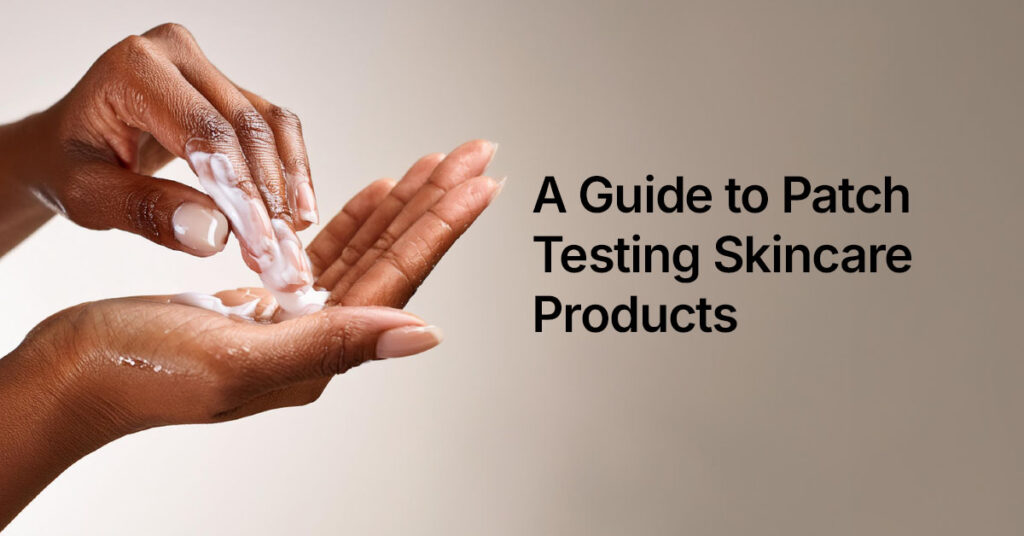
Patch testing skincare products is important because when it comes to skincare, finding the right products that suit your skin type and address your concerns can be a game-changer. However, introducing new products to your routine can sometimes lead to adverse reactions, including redness, irritation, and breakouts. This is where patch testing comes in. We’ll explore what patch testing is, why it’s important, and how to properly perform a patch test to ensure your skin stays healthy and happy.
What is Patch Testing?
Patch testing is a simple and effective method to determine whether a new skincare product will cause any adverse reactions when applied to your skin. By testing a small amount of the product on a discreet area of your skin, you can observe how your skin reacts before applying it to your entire face or body. This process helps to identify potential allergens or irritants in the product that could lead to skin issues.
Why is Patch Testing Skincare Products Important?
1. Prevent Adverse Reactions
Patch testing helps to prevent uncomfortable and potentially harmful reactions such as redness, itching, swelling, or breakouts.
2. Identify Allergens
It can help you identify specific ingredients that your skin is sensitive or allergic to, allowing you to avoid them in future products.
3. Save Time and Money
By identifying unsuitable products early, you can avoid wasting time and money on products that don’t work for your skin.
4. Build a Safe Skincare Routine
Patch testing allows you to gradually introduce new products into your routine, ensuring each product is compatible with your skin.
How to Patch Test a Skincare Product
Follow these simple steps for patch testing skincare products:
1. Choose the Test Area
- Select a discreet area of your skin, such as the inside of your wrist, behind your ear, or the side of your neck. These areas are less likely to be exposed to external factors that could interfere with the test.
2. Apply the Product
- Clean the chosen test area and let it dry completely.
- Apply a small amount of the product to the area. If it’s a leave-on product like a moisturizer or serum, apply it as you would during regular use. For wash-off products like cleansers, follow the usage instructions but apply it to the test area instead of your face.
3. Wait and Observe
- Leave the product on the test area for at least 24 to 48 hours. Avoid washing the area during this period.
- Check the area periodically for any signs of redness, itching, swelling, or other adverse reactions.
4. Evaluate the Results
- If you experience any negative reactions, discontinue use of the product immediately.
- If no adverse reactions occur, you can proceed to use the product as directed on the rest of your face or body.
Tips for Successful Patch Testing Skincare Products
1. Test One Product at a Time
To accurately identify the cause of any reactions, test only one new product at a time.
2. Be Patient
Some reactions may take time to develop, so be patient and allow the full 24 to 48 hours before making a decision.
3. Patch Test New Ingredients
If you’re introducing products with new or unfamiliar ingredients, always patch test them first, even if you’ve used other products from the same brand.
4. Consult a Dermatologist
If you have a history of sensitive skin or allergies, consider consulting a dermatologist before trying new skincare products.
Conclusion
Patch testing is a simple yet crucial step in building a safe and effective skincare routine. By taking the time to test new products, you can avoid unpleasant reactions and ensure your skin stays healthy and radiant. Remember, your skin is unique, and what works for others may not work for you. Always listen to your skin and prioritize its health and well-being.
Best Korean Sunscreens Available in Canada: 2026 Buyer’s Guide
Korean sunscreens are in a league of their own — lightweight, non-greasy, and highly protective. [...]
10 Best Korean Skincare Brands You Can Buy in Canada Right Now
From COSRX to Beauty of Joseon, here are the 10 best Korean skincare brands available [...]
Best Korean Skincare for Acne-Prone Skin in Canada (Dermatologist-Loved Brands)
Struggling with acne? Korean skincare has some of the most effective, gentle solutions for acne-prone [...]
Korean Glass Skin: What It Is and How to Achieve It in Canada
Glass skin is the ultimate K-beauty goal — skin so clear, smooth, and luminous it [...]
The Complete Korean Skincare Routine for Canadian Winters (Step-by-Step Guide)
Struggling with dry, tight, irritated skin every Canadian winter? Discover the complete Korean skincare routine [...]
Glass Skin Regimen: Your Complete Guide to Achieving Flawless Korean Glass Skin
Glass Skin Regimen: Your Complete Guide to Achieving Flawless Korean Glass Skin The glass skin [...]
Korean Shop in Canada 100% Authentic: Your Complete Guide to Genuine K-Beauty Products
Finding a Korean shop in Canada that guarantees 100% authentic products can feel overwhelming with [...]
What Is The 10 Step Korean Skincare Routine?
The 10 Step Korean Skincare Routine: Complete Guide to Radiant Skin (2026) The 10 step [...]