

Understanding your skin type is the foundation of an effective skincare routine. Whether you’re dealing with acne, dryness, oiliness, or sensitivity, knowing your skin type helps you choose the right products and treatments. In this comprehensive guide, we will walk you through the steps to identify your skin type and offer tips on how to care for it.
Why Knowing Your Skin Type Matters
Using the wrong skincare products can exacerbate skin issues and lead to frustration. For example, using a heavy moisturizer on oily skin can clog pores, while harsh cleansers can strip dry skin of essential moisture. By identifying your skin type, you can tailor your skincare regimen to meet your specific needs, resulting in healthier, more radiant skin.
The Main Skin Types
There are five primary skin types: normal, dry, oily, combination, and sensitive. Here’s a brief overview of each:
1. Normal Skin:
Balanced, not too oily or dry, with few imperfections.
2. Dry Skin:
Feels tight, flaky, or rough, with visible lines and a dull complexion.
3. Oily Skin:
Shiny, with enlarged pores and a tendency toward acne and blackheads.
4. Combination Skin:
A mix of oily and dry areas, typically with an oily T-zone (forehead, nose, and chin) and dry cheeks.
5. Sensitive Skin:
Prone to redness, irritation, and reactions to products or environmental factors.
How to Determine Your Skin Type
1. The Bare-Faced Test
Cleanse:
Wash your face with a gentle cleanser to remove makeup, dirt, and oil. Pat dry with a soft towel.
Wait:
Leave your skin bare for about an hour. During this time, do not apply any skincare products.
Observe:
After an hour, examine your skin in a mirror under natural light. Pay attention to how it feels and looks.
Normal Skin:
Feels comfortable, not too oily or dry.
Dry Skin:
Feels tight, with possible flakiness.
Oily Skin:
Looks shiny, especially on the T-zone.
Combination Skin:
Oily in the T-zone, but normal or dry on the cheeks.
Sensitive Skin:
May show redness, irritation, or feel itchy.
2. The Blotting Sheet Test
Cleanse and Wait
As with the bare-faced test, start with a clean face and wait for an hour.
Blot:
Gently press a blotting sheet or a tissue on different areas of your face: forehead, nose, chin, and cheeks.
Examine:
Check the blotting sheet for oil.
Normal Skin:
Little to no oil.
Dry Skin:
No oil.
Oily Skin:
Noticeable oil, especially in the T-zone.
Combination Skin:
Oil in the T-zone, but little to none on the cheeks.
Sensitive Skin:
This test is less about oil and more about noting any irritation from the blotting paper.
3. Professional Consultation
If you’re still unsure about your skin type, consider consulting a dermatologist or a skincare professional. They can provide a thorough analysis and recommend products tailored to your skin’s needs.
Caring for Each Skin Type
Normal Skin
Characteristics:
Balanced, few imperfections, and a radiant complexion.
Tips:
Cleanser:
Use a gentle cleanser to maintain balance.
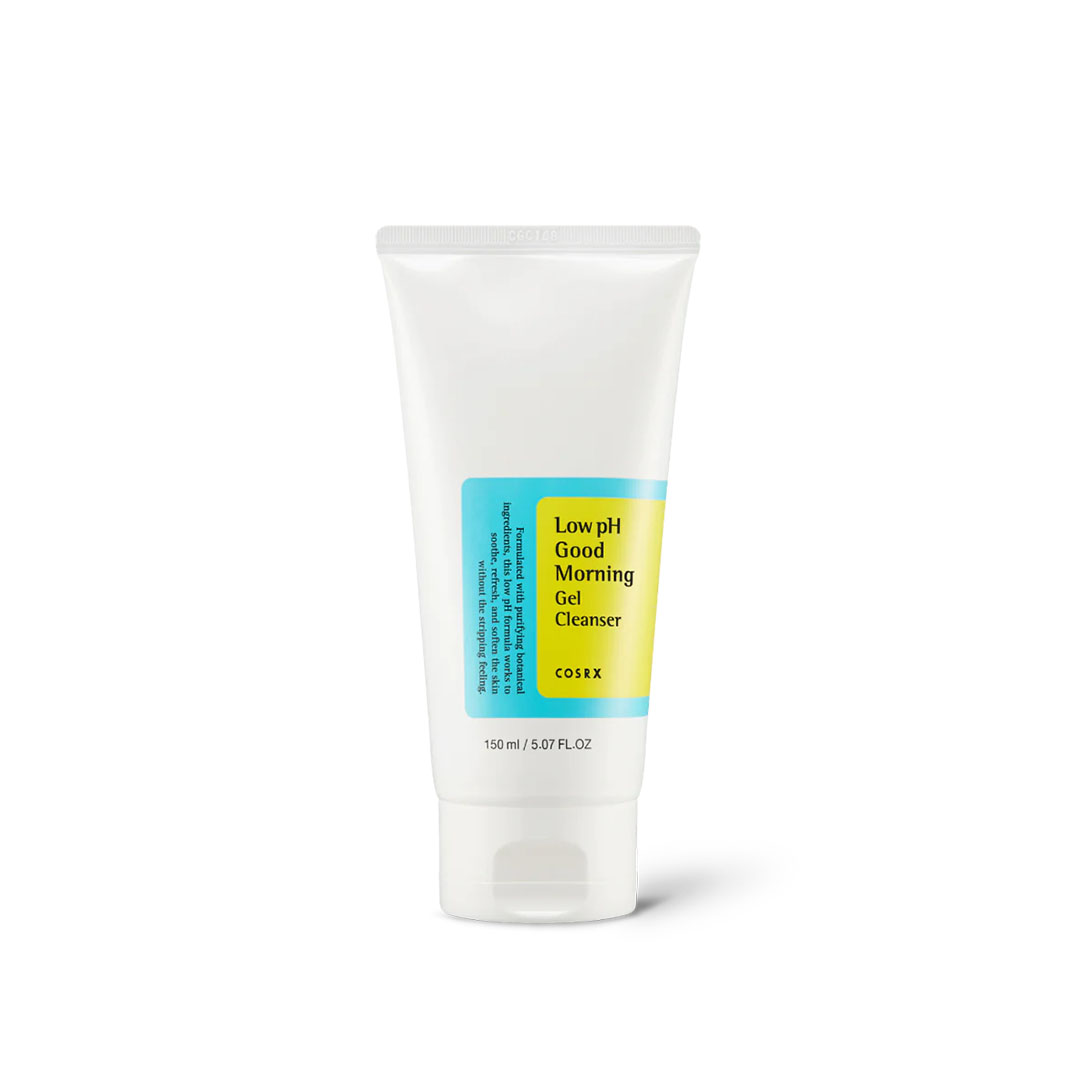
We recommend: COSRX Low pH Good Morning Gel Cleanser
Moisturizer:
Opt for a lightweight, hydrating moisturizer.
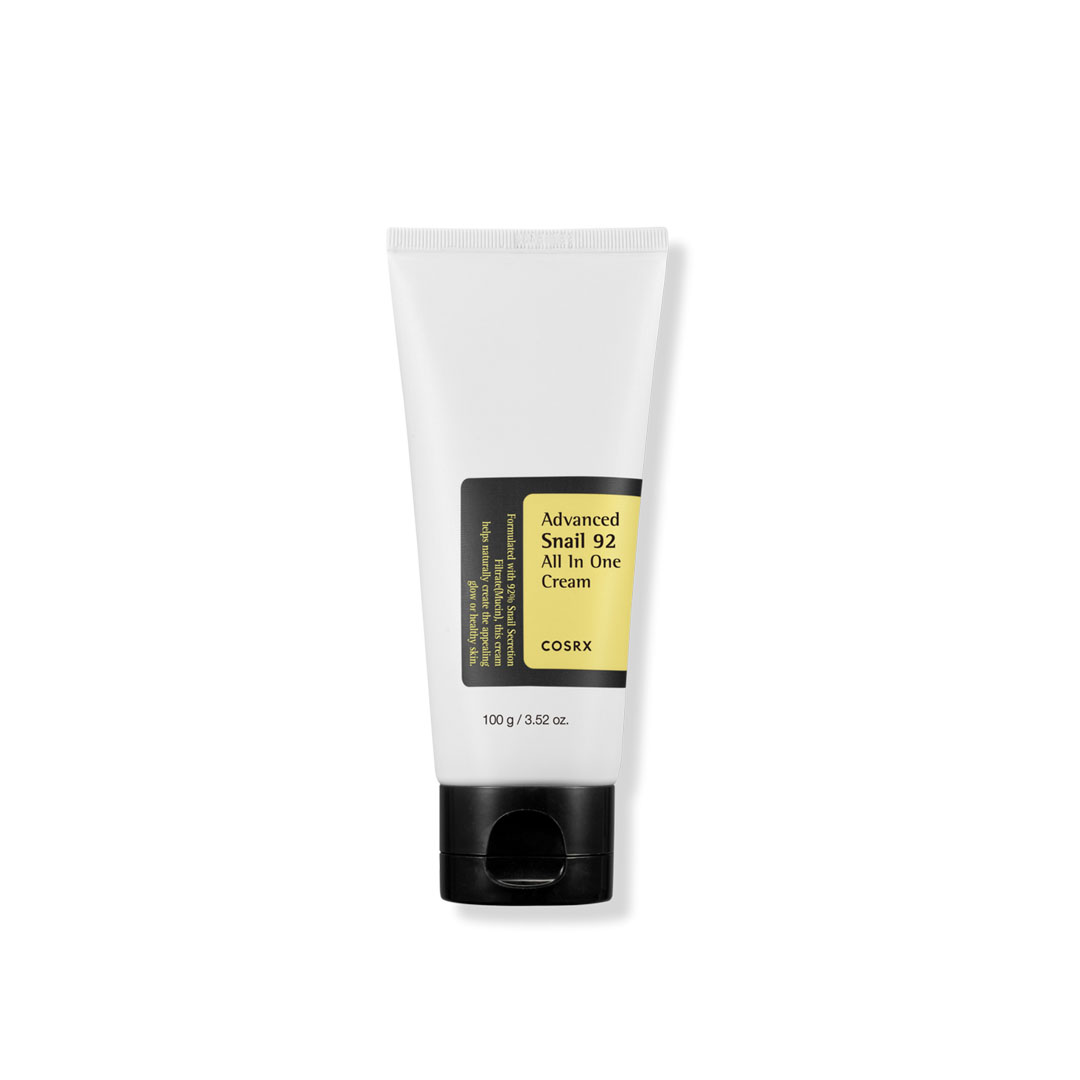
We recommend: COSRX Advanced Snail 92 All In One Cream
SPF:
Always use sunscreen to protect against UV damage.
Routine:
Maintain a simple, consistent skincare routine.
Dry Skin
Characteristics:
Feels tight, flaky, or rough, with visible lines and a dull complexion.
Tips:
Cleanser:
Use a hydrating, non-foaming cleanser.
We recommend: Etude pH 6.5 Soon Jung Whip Cleanser

Moisturizer:
Apply a rich, emollient moisturizer.
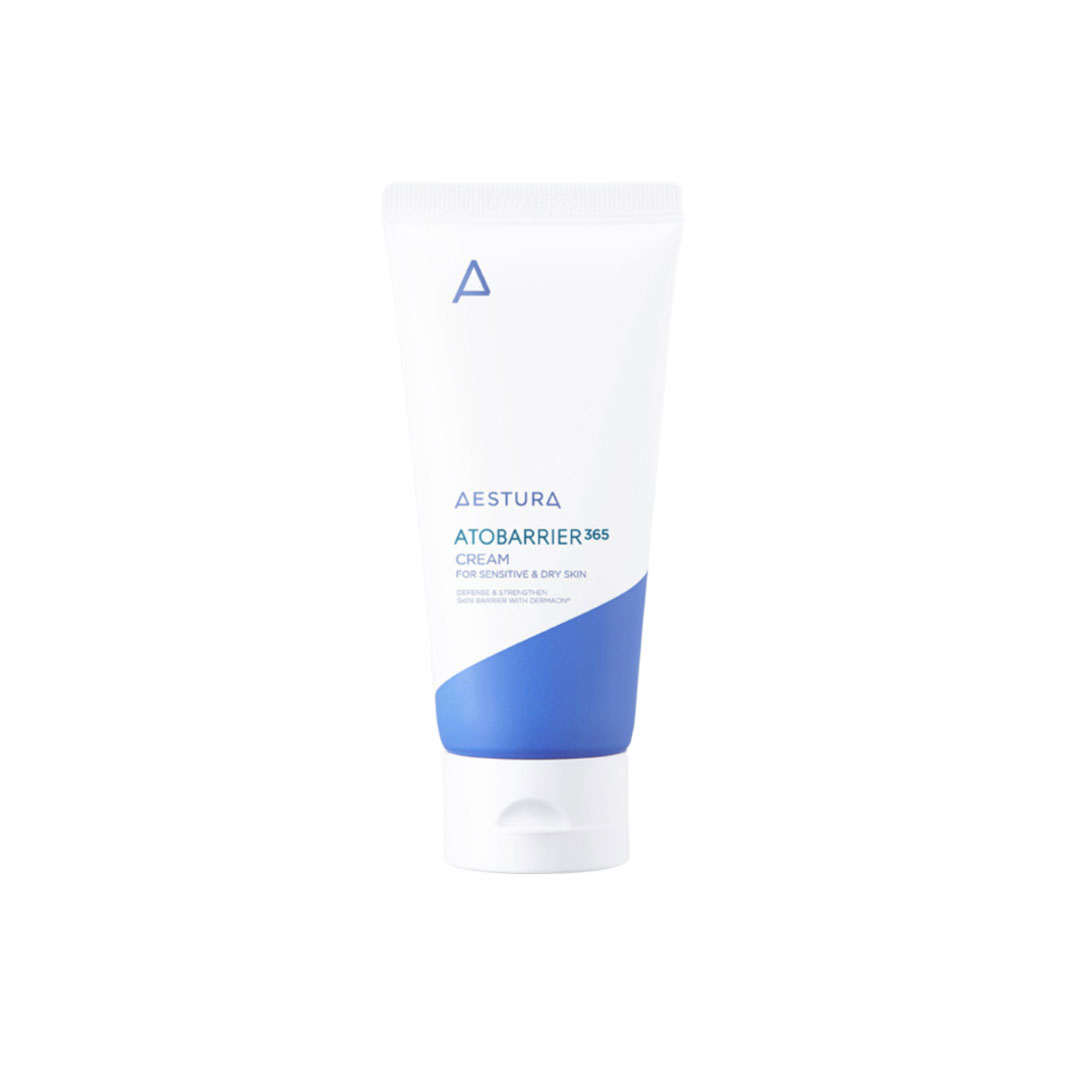
We recommend: Aestura Ato Barrier 365 Cream
Exfoliation:
Gently exfoliate once a week to remove dead skin cells.
We recommend: ANUA Heartleaf 77% Clear Pads

Humidifier:
Use a humidifier to add moisture to the air.
Oily Skin
Characteristics:
Shiny, with enlarged pores and a tendency toward acne and blackheads.
Tips:
Cleanser:
Use a foaming or gel cleanser to remove excess oil.
We recommend: COSRX Salicylic Acid Daily Gentle Cleanser

Moisturizer:
Choose an oil-free, non-comedogenic moisturizer.
We recommend: COSRX Oil-Free Ultra Moisturizing Lotion

Exfoliation:
Exfoliate regularly to prevent clogged pores.
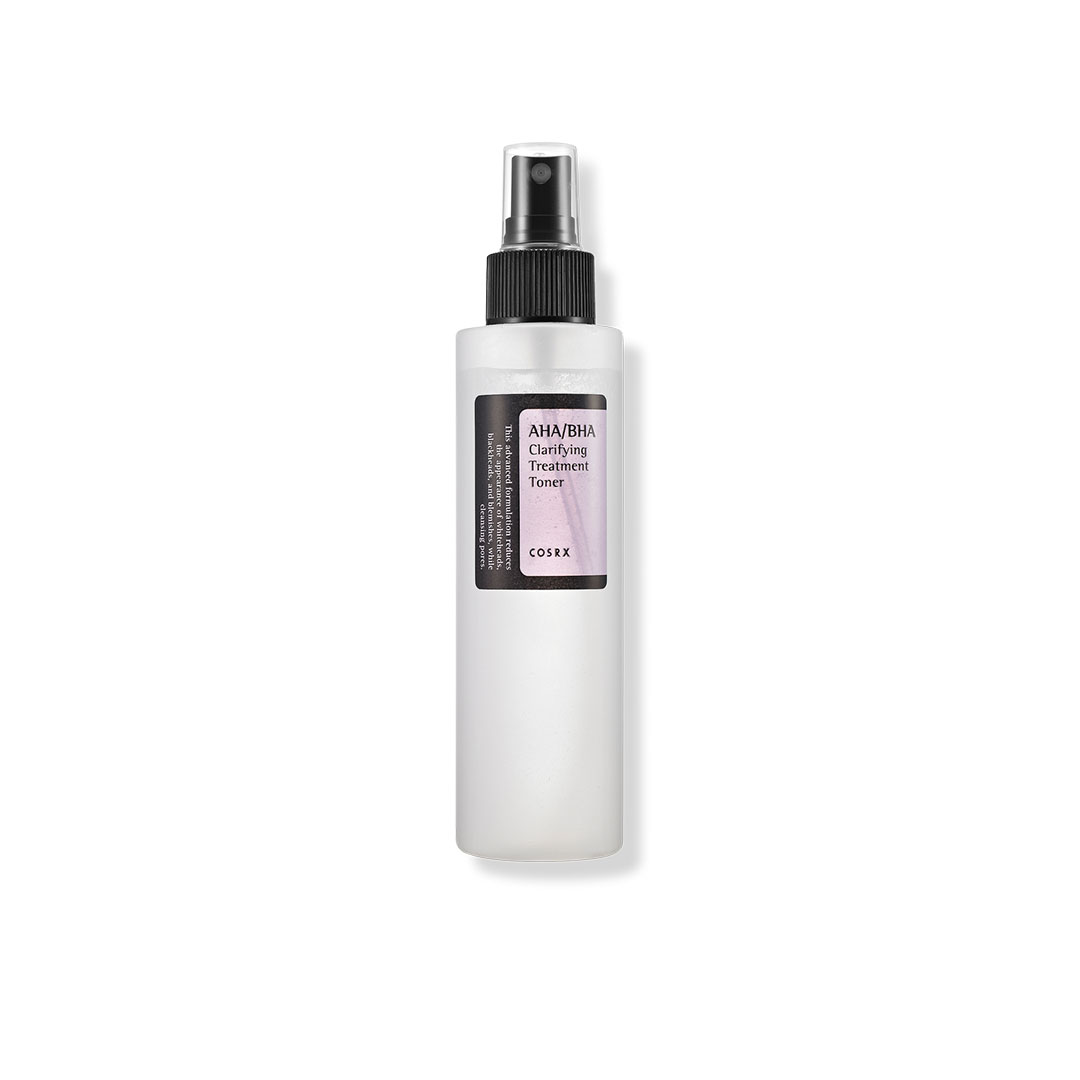
We recommend: COSRX AHA/BHA Clarifying Treatment Toner
SPF:
Use a mattifying sunscreen to control shine.
Combination Skin
Characteristics:
Oily T-zone (forehead, nose, chin) and normal or dry cheeks.
Tips:
Cleanser:
Use a gentle, balancing cleanser.
We recommend: ANUA Heartleaf Succinic Moisture Cleansing Foam

Moisturizer:
Apply a lightweight moisturizer to the T-zone and a richer one to dry areas.
We recommend: AXIS-Y Cera-Heart My Type Duo Cream

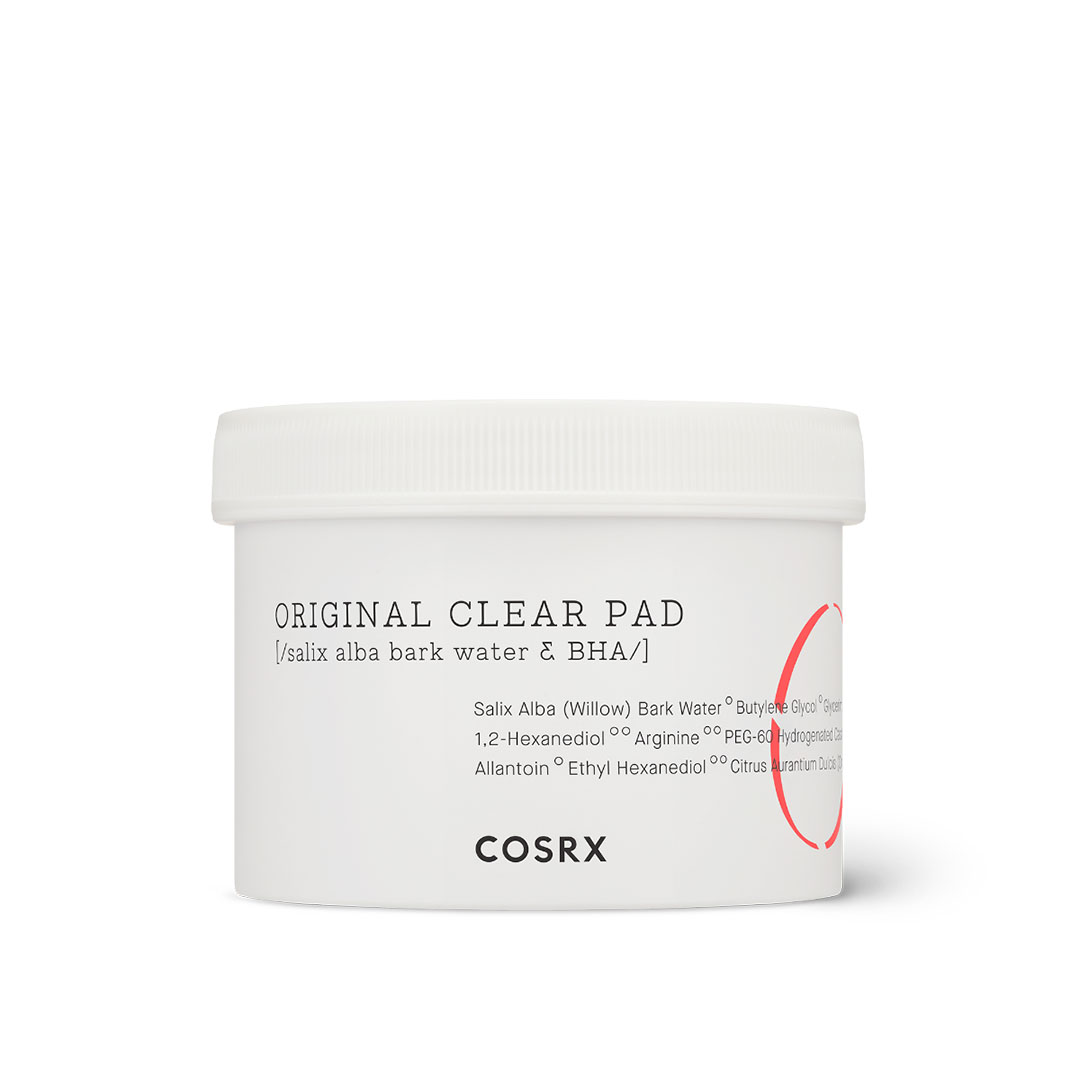
Exfoliation:
Focus on the T-zone but be gentle on the cheeks.
We recommend: COSRX One Step Original Clear Pad
SPF:
Use a broad-spectrum sunscreen suitable for combination skin.
Sensitive Skin
Characteristics:
Prone to redness, irritation, and reactions to products or environmental factors.
Tips:
Cleanser:
Use a mild, fragrance-free cleanser.
We recommend: Round Lab 1025 Dokdo Cleanser

Moisturizer:
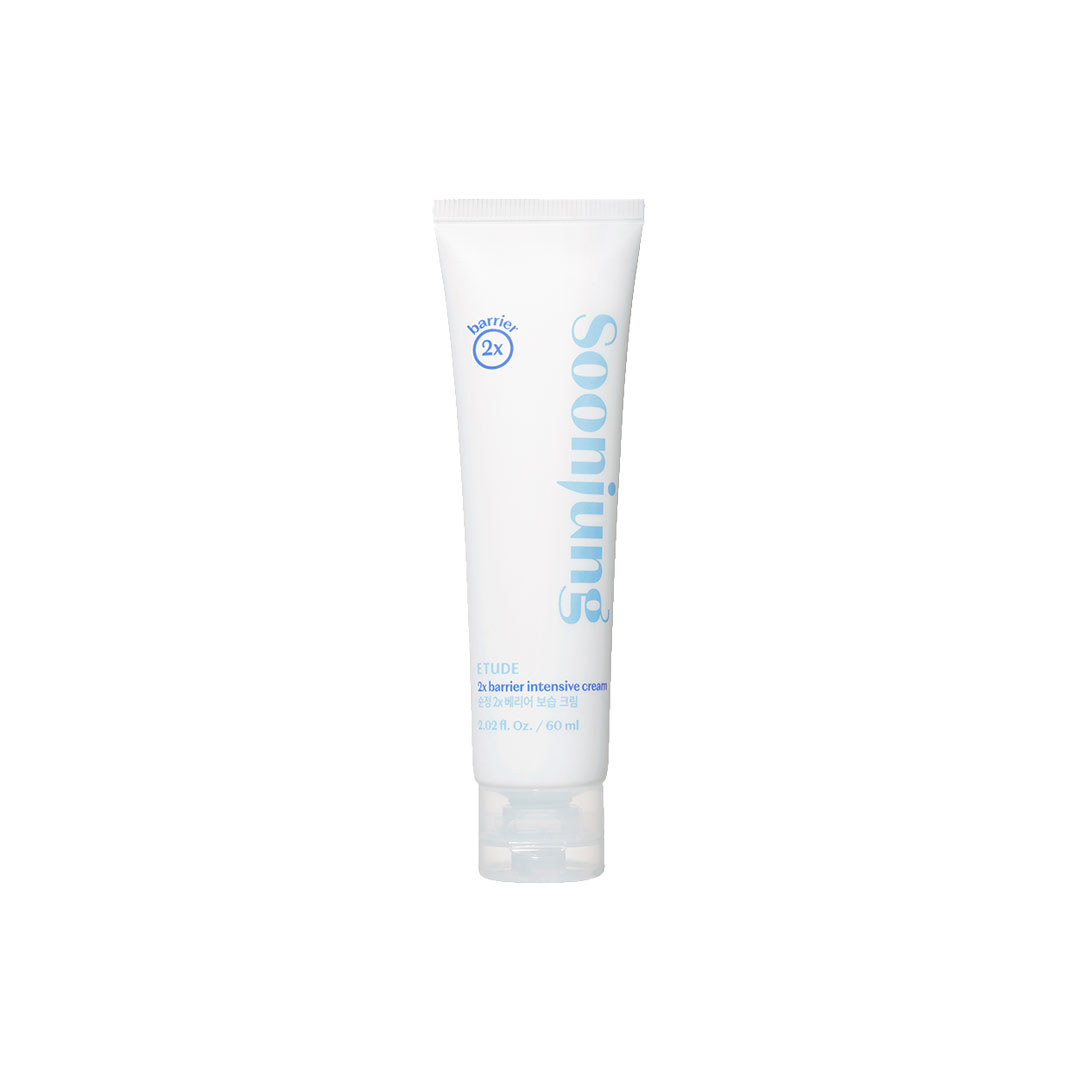
Opt for a soothing, hypoallergenic moisturizer.
We recommend: Etude Soon Jung 2x Barrier Intensive Cream
Avoid Irritants:
Steer clear of products with alcohol, fragrance, and harsh chemicals.
SPF:
Use a physical sunscreen with zinc oxide or titanium dioxide.
Adapting to Seasonal Changes
Your skin type can change with the seasons. For example, you might experience more dryness in the winter and increased oiliness in the summer. Pay attention to how your skin responds to different weather conditions and adjust your skincare routine accordingly.
Conclusion
Finding your skin type is the first step towards achieving healthy, beautiful skin. By understanding whether your skin is normal, dry, oily, combination, or sensitive, you can choose the right products and create a skincare routine that works best for you. Remember, consistency is key, and listening to your skin’s needs will guide you towards optimal skin health. Happy skincare journey!








Pingback: Where To Start With Korean Skincare | Dew Beauty | Korean Skincare Canada