
Ingredients, Beauty of Joseon, COSRX, Mixsoon, Tips, Torriden
Does Korean Skincare Have Better Ingredients?

The global beauty industry is diverse, with skincare practices varying widely across regions. Korean skincare, in particular, has gained recognition for its innovative ingredients and distinctive approach to skin health. But the question remains: does Korean skincare have better ingredients compared to other traditions, especially Western skincare?
Philosophy Behind Korean Skincare Ingredients
Korean skincare emphasizes on maintaining the skin’s health and balance over time. This approach is evident in the choice of ingredients, which are often natural, gentle, and focused on hydration and nourishment. Traditional ingredients such as ginseng, green tea, rice water, and mugwort have long been staples in Korean beauty, celebrated for their effectiveness and minimal side effects, making them suitable for all skin types, including sensitive skin. For instance, Beauty of Joseon’s Ginseng Essence Water focuses on the ingredient ginseng, a potent antioxidant that revitalizes the skin, improves circulation, and promotes collagen production. Similarly, I’m from Mugwort Essence provides anti-inflammatory benefits, while SKIN1004 Madagascar Centella Tone Brightening Capsule Ampoule is renowned for its brightening and soothing properties. These ingredients exemplify the Korean emphasis on achieving long-term skin health rather than quick fixes.

Innovation and Multi-Functional Ingredients
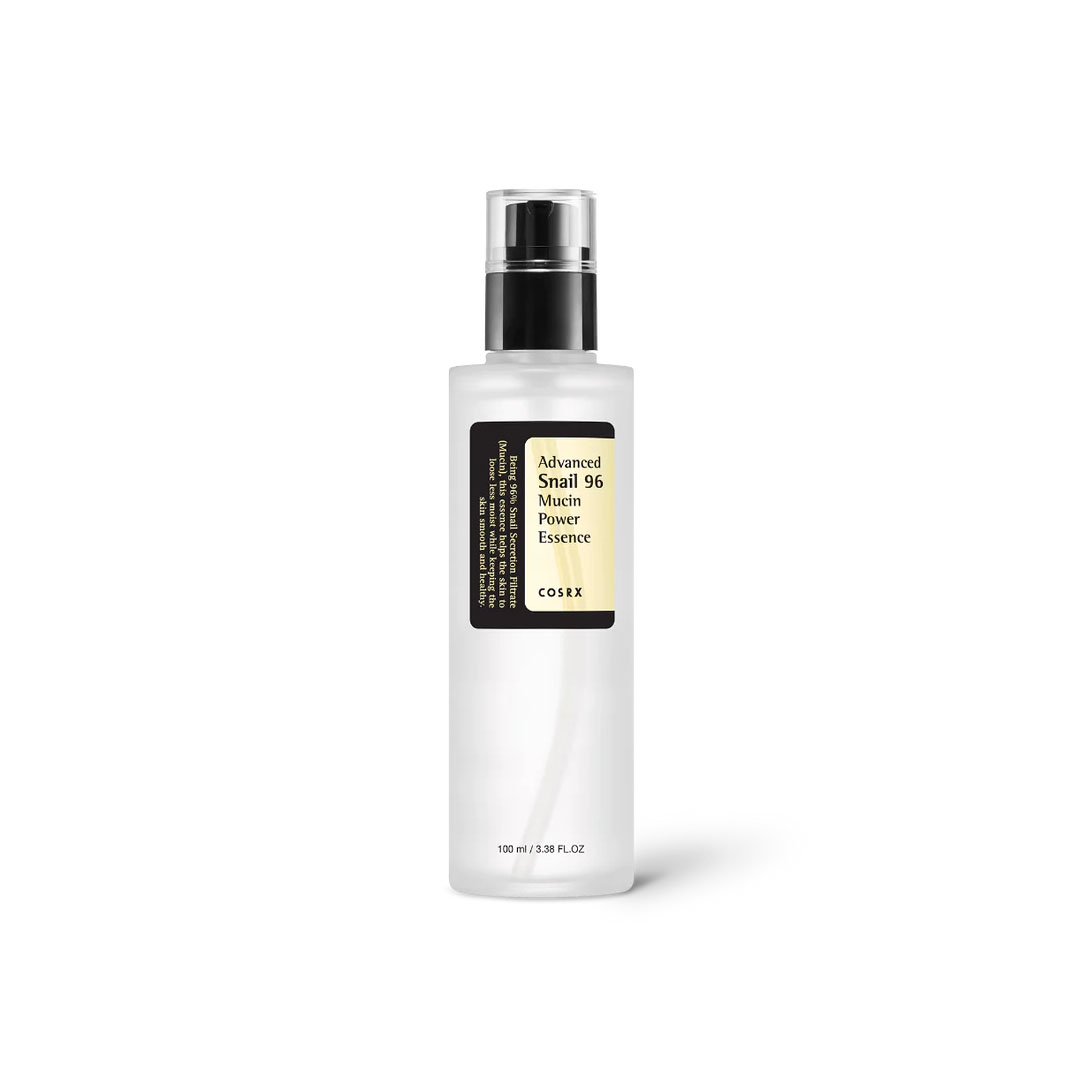
Korean skincare is also distinguished by its innovative formulations and the development of multi-functional ingredients. Snail mucin, for example, is a hallmark of Korean beauty products, packed with nutrients like hyaluronic acid, glycoproteins, and glycolic acid. These components work together to hydrate, repair, and rejuvenate the skin, addressing multiple concerns simultaneously. COSRX Advanced Snail 96 Mucin Power Essence is a prime example, offering deep hydration and skin repair in one. Another standout is Centella Asiatica (Cica), known for its soothing and healing properties. SKIN1004 Madagascar Centella Ampoule not only calms irritated skin but also promotes skin regeneration and strengthens the skin barrier. These innovative, multi-functional ingredients reflect the Korean skincare industry’s commitment to creating effective, gentle products that enhance overall skin health without causing irritation or damage.
A Focus on Hydration and Barrier Protection
Hydration is central to Korean skincare, highlighted by the use of ingredients like hyaluronic acid, ceramides, and fermented extracts. Torriden Dive-In Low Molecular Hyaluronic Acid Serum is a standout product that draws moisture into the skin, keeping it plump and hydrated. Ceramides, found in products like Aestura Atobarrier 365 Cream, fortify the skin barrier, preventing moisture loss and protecting the skin from environmental stressors. Fermented ingredients, such as those in mixsoon Bean Essence, improve absorption and efficacy, delivering nutrients deep into the skin. Unlike some Western skincare products that often emphasize potent, high-impact ingredients like retinol and exfoliating acids, Korean skincare favors a gentler approach. While these active ingredients are present in Korean formulations, they are typically balanced with hydrating and soothing components to minimize irritation risks. This approach underscores a broader commitment to maintaining the skin’s natural balance and preventing damage rather than solely treating existing issues.

Conclusion: A Balanced Approach to Skincare
Is Korean skincare superior in terms of ingredients? It depends on what you seek in your skincare routine. If you value gentle, hydrating, and multi-functional ingredients that support long-term skin health, Korean skincare may offer a more balanced approach. Its focus on natural ingredients, innovation, and holistic care distinguishes it from other traditions, making it an attractive option for those aiming for a well-rounded, effective, and sustainable skincare regimen. However, skincare is highly individual, and what works for one person may not work for another. While Korean skincare is known for its gentle and nourishing ingredients, Western skincare provides potent treatments for specific concerns. The key lies in understanding your skin’s unique needs and choosing products—whether Korean or Western—that align with your goals. Ultimately, skincare effectiveness is not just about the ingredients but how well they suit your skin type and concerns.
Best Korean Sunscreens Available in Canada: 2026 Buyer’s Guide
Korean sunscreens are in a league of their own — lightweight, non-greasy, and highly protective. [...]
10 Best Korean Skincare Brands You Can Buy in Canada Right Now
From COSRX to Beauty of Joseon, here are the 10 best Korean skincare brands available [...]
Best Korean Skincare for Acne-Prone Skin in Canada (Dermatologist-Loved Brands)
Struggling with acne? Korean skincare has some of the most effective, gentle solutions for acne-prone [...]
Korean Glass Skin: What It Is and How to Achieve It in Canada
Glass skin is the ultimate K-beauty goal — skin so clear, smooth, and luminous it [...]
The Complete Korean Skincare Routine for Canadian Winters (Step-by-Step Guide)
Struggling with dry, tight, irritated skin every Canadian winter? Discover the complete Korean skincare routine [...]
Glass Skin Regimen: Your Complete Guide to Achieving Flawless Korean Glass Skin
Glass Skin Regimen: Your Complete Guide to Achieving Flawless Korean Glass Skin The glass skin [...]
Korean Shop in Canada 100% Authentic: Your Complete Guide to Genuine K-Beauty Products
Finding a Korean shop in Canada that guarantees 100% authentic products can feel overwhelming with [...]
What Is The 10 Step Korean Skincare Routine?
The 10 Step Korean Skincare Routine: Complete Guide to Radiant Skin (2026) The 10 step [...]