
Tips, Anua, Beauty of Joseon, COSRX, NEEDLY
How Often Do Koreans Exfoliate?

Among the many aspects of Korean skincare, exfoliation holds a unique and nuanced role. While exfoliation is a common skincare practice worldwide, the Korean approach differs in its frequency, method, and philosophy. This post delves into the question: how often do Koreans exfoliate, and what makes their approach so effective?
The Philosophy Behind Exfoliation in Korean Skincare
In Korean skincare, the guiding principle is about maintaining the skin’s health and balance rather than following harsh or aggressive routines. The goal is to achieve “chok chok” skin— a term used to describe a radiant, dewy complexion. Exfoliation plays a key role in this process by helping to remove dead skin cells, unclog pores, and allow the skin to better absorb the nourishing ingredients in serums, essences, and moisturizers.
However, over-exfoliation can damage the skin’s protective barrier, leading to irritation, redness, and sensitivity. This is why the Korean exfoliation approach tends to be more gentle and strategic, designed to enhance the skin’s health over time, rather than achieving immediate results.
How Often Do Koreans Exfoliate?
Physical Exfoliation: Once or Twice a Week
Physical exfoliants, such as scrubs and peeling gels, are used sparingly in Korean skincare. On average, Koreans typically exfoliate with these products once or twice a week, depending on their skin type.
- For normal and oily skin: Physical exfoliation is usually done twice a week. Oily skin types tend to accumulate more sebum and dead skin cells, making regular exfoliation essential to keep the pores clear and prevent acne.
- For dry and sensitive skin: Exfoliation is limited to once a week, or even less, as overly frequent exfoliation can strip away the natural oils and weaken the skin barrier, leading to increased dryness and irritation.
Popular Korean exfoliants include peeling gels, which are softer alternatives to abrasive scrubs. These gels contain fruit enzymes or cellulose that gently roll off dead skin without the roughness of traditional exfoliators. For example, products like Beauty of Joseon Apricot Blossom Peeling Gel are highly regarded for their non-abrasive formula that effectively removes dead skin cells while preserving the skin’s moisture balance.

Chemical Exfoliation: Daily to Bi-Weekly, Depending on Ingredients
Chemical exfoliation, which uses alpha hydroxy acids (AHAs), beta hydroxy acids (BHAs), or polyhydroxy acids (PHAs), has gained immense popularity in Korean skincare. Unlike physical exfoliants, chemical exfoliants work by dissolving dead skin cells at a molecular level, allowing for a more controlled and even exfoliation.
- AHAs (e.g., glycolic or lactic acid) work on the surface layer of the skin, making them ideal for people with dry or uneven skin tones. AHAs are typically used 2-3 times per week in lower concentrations to prevent irritation.
- BHAs (e.g., salicylic acid) penetrate deeper into the pores and are especially effective for oily or acne-prone skin. Depending on the concentration, BHAs can be used daily for those with oily skin or 2-3 times per week for normal to dry skin.
- PHAs are gentler versions of AHAs and are preferred by those with sensitive skin. PHAs can often be used more frequently, sometimes daily, as they are less likely to cause irritation.
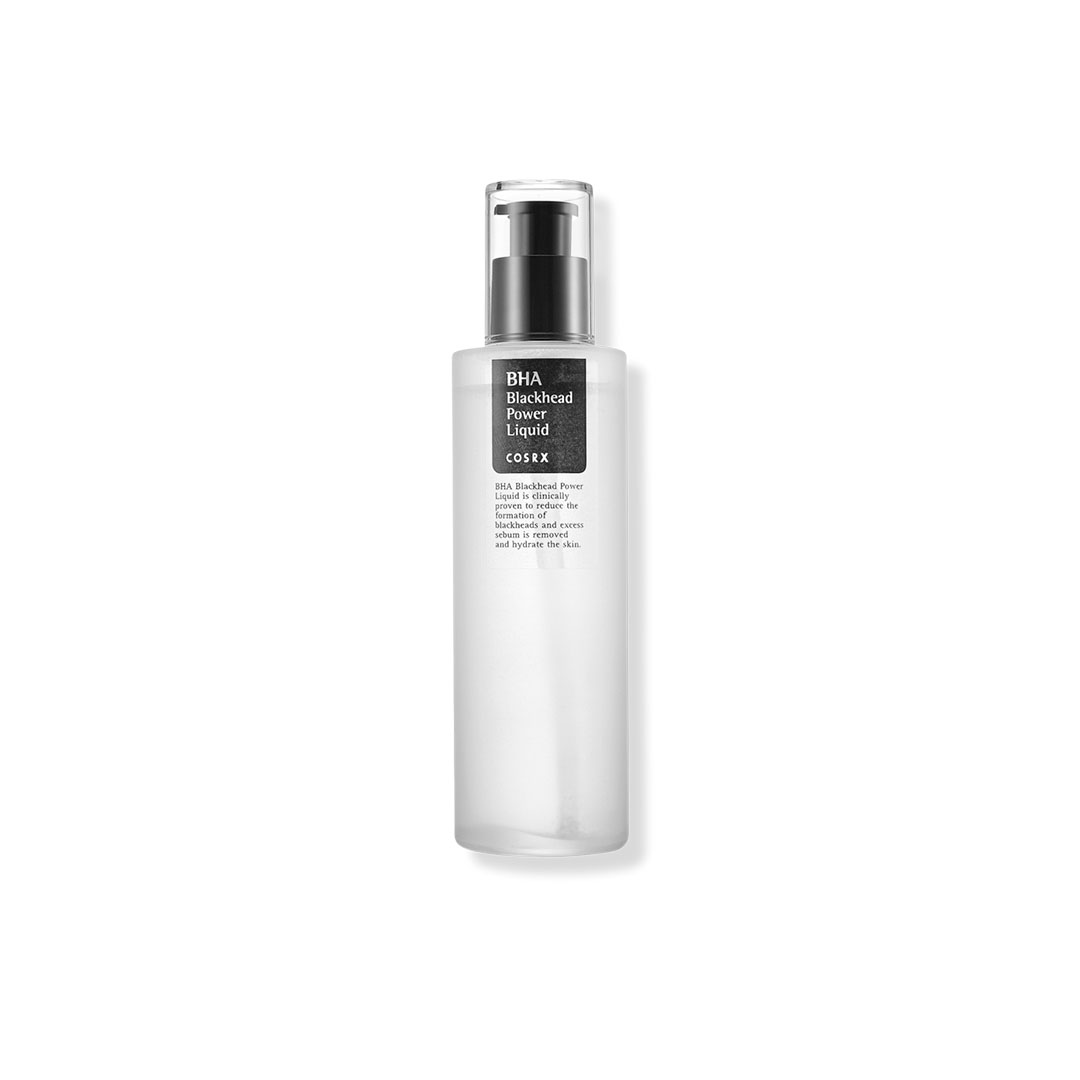
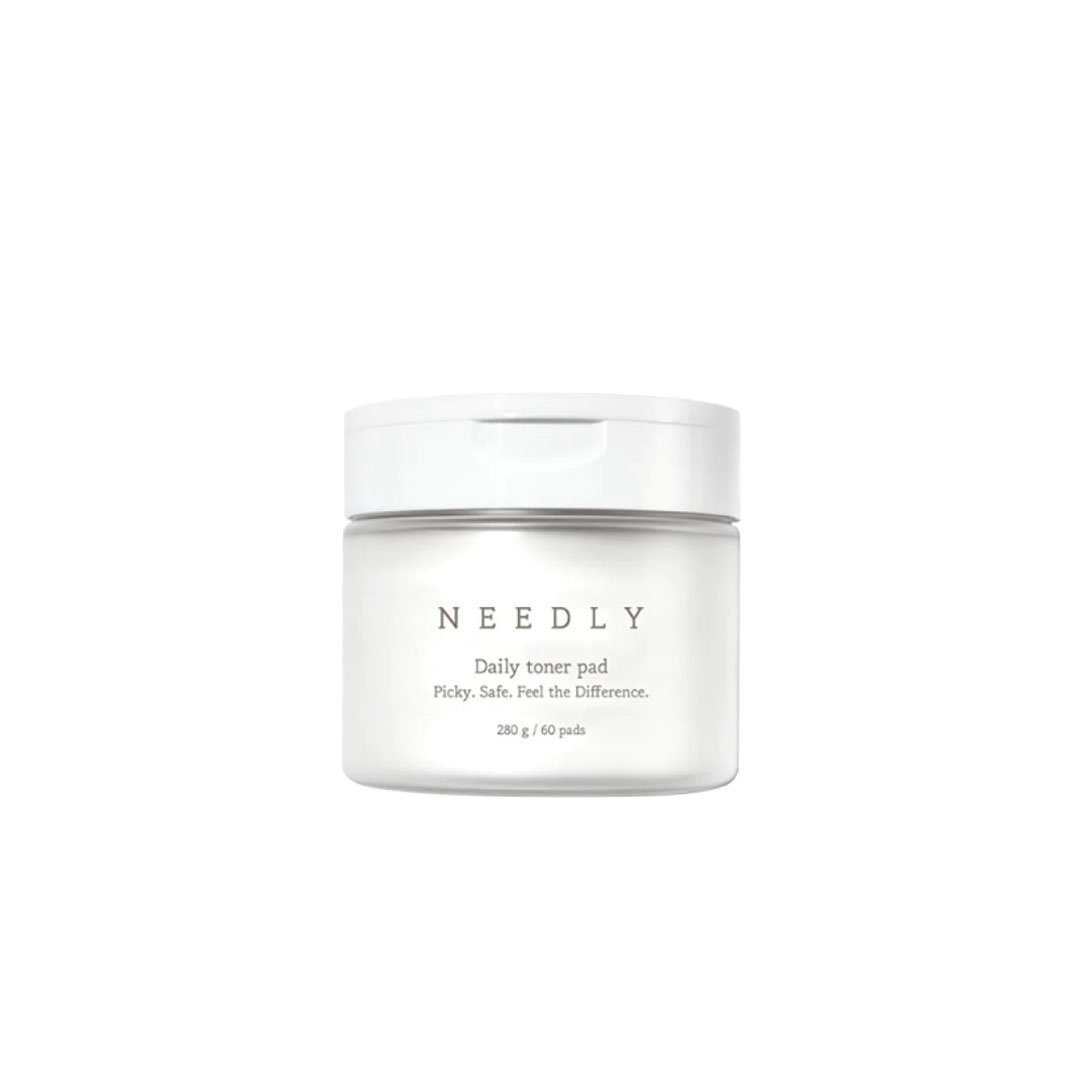
Some of the most famous Korean exfoliators, such as the COSRX BHA Blackhead Power Liquid, offer a controlled and mild exfoliation, making it suitable for frequent use (up to 3 times per week). Koreans also gravitate toward toner pads infused with chemical exfoliants, such as the NEEDLY Daily Toner Pad, which can be used 1-2 times weekly to maintain a smooth, even complexion.
The Role of Enzymatic Exfoliation: Gentle Daily Use
Koreans have also embraced enzymatic exfoliants, which use enzymes from fruits such as papaya or pineapple to gently break down dead skin cells. These are often used in powder cleansers or masks that can be applied daily, especially by those with sensitive or mature skin.
For example, the ANUA Rice Enzyme Brightening Cleansing Powder is a popular enzymatic exfoliant that is gentle enough for daily use, making it an excellent option for those who want to exfoliate without causing irritation.

Customizing Exfoliation Based on Skin Type
The frequency of exfoliation in Korean skincare is highly customized based on an individual’s skin type and condition. While some Koreans may exfoliate more frequently due to oilier skin or living in a humid climate, others with dry or sensitive skin may limit exfoliation to once or twice a month.
The key is balance. Koreans understand that exfoliating too often can compromise the skin barrier, which is why there is a strong focus on using hydrating and soothing products post-exfoliation. Many Korean skincare routines incorporate soothing essences, hydrating sheet masks, and moisturizers with ingredients like centella asiatica and ceramides to calm the skin after exfoliation.
Conclusion: A Tailored and Gentle Approach
The frequency of exfoliation in Korean skincare is not set in stone—it is adapted to the individual’s skin type, lifestyle, and the specific products being used. Whether it’s once a week with a physical exfoliant or daily with a mild chemical exfoliator, the overarching principle remains: respect the skin’s natural barrier while promoting cell turnover for a healthy, radiant complexion.
By understanding your skin and selecting the right type of exfoliant, you can adopt the Korean philosophy of achieving glowing, resilient skin through balance, care, and precision.
Best Korean Sunscreens Available in Canada: 2026 Buyer’s Guide
Korean sunscreens are in a league of their own — lightweight, non-greasy, and highly protective. [...]
10 Best Korean Skincare Brands You Can Buy in Canada Right Now
From COSRX to Beauty of Joseon, here are the 10 best Korean skincare brands available [...]
Best Korean Skincare for Acne-Prone Skin in Canada (Dermatologist-Loved Brands)
Struggling with acne? Korean skincare has some of the most effective, gentle solutions for acne-prone [...]
Korean Glass Skin: What It Is and How to Achieve It in Canada
Glass skin is the ultimate K-beauty goal — skin so clear, smooth, and luminous it [...]
The Complete Korean Skincare Routine for Canadian Winters (Step-by-Step Guide)
Struggling with dry, tight, irritated skin every Canadian winter? Discover the complete Korean skincare routine [...]
Glass Skin Regimen: Your Complete Guide to Achieving Flawless Korean Glass Skin
Glass Skin Regimen: Your Complete Guide to Achieving Flawless Korean Glass Skin The glass skin [...]
Korean Shop in Canada 100% Authentic: Your Complete Guide to Genuine K-Beauty Products
Finding a Korean shop in Canada that guarantees 100% authentic products can feel overwhelming with [...]
What Is The 10 Step Korean Skincare Routine?
The 10 Step Korean Skincare Routine: Complete Guide to Radiant Skin (2026) The 10 step [...]