
Tips, COSRX, Dr. Ceuracle, Etude
Korean vs. Western Skincare: 3 Comparisons

Philosophy and Approach
Korean skincare and Western skincare diverge significantly in their philosophy and approach towards achieving optimal skin health. Korean skincare embodies a holistic and preventive approach, prioritizing hydration, nourishment, and maintaining the skin’s natural balance. It emphasizes a multi-step routine, typically consisting of cleansing, toning, essence, serums, moisturizers, and sunscreen, with a focus on gentle, natural ingredients like green tea, ginseng, and snail mucin. The Korean skincare philosophy views skincare as a form of self-care and a daily ritual, emphasizing consistency and patience in achieving long-term results.
In contrast, Western skincare adopts a more clinical and results-driven approach, targeting specific skin concerns with potent, active ingredients such as retinol, alpha hydroxy acids (AHAs), and vitamin C. It often involves a streamlined routine with fewer steps, focusing on cleansing, treatment serums, moisturizing, and sun protection. Western skincare prioritizes evidence-based formulations backed by scientific research, aiming for immediate and visible improvements in skin texture, tone, and clarity. While Korean skincare embraces hydration and prevention, Western skincare tends to emphasize correction and treatment of existing skin issues, catering to a diverse range of skin types and concerns with targeted solutions.
Routine Steps
Korean skincare and Western skincare differ notably in their routine steps, reflecting distinct approaches to achieving and maintaining healthy skin.
Korean Skincare:
Korean skincare routines are renowned for their extensive multi-step regimen, often consisting of 10 or more steps. These steps typically include double cleansing (using an oil-based cleanser followed by a water-based cleanser), exfoliating (either chemically or physically), toning (to balance pH levels and prep the skin for subsequent products), applying essence (a lightweight, hydrating formula to boost moisture retention), layering serums (each targeting specific concerns like brightening or anti-aging), using sheet masks (to provide intense hydration or address specific issues), applying eye cream (to moisturize and protect the delicate eye area), moisturizing (with a lightweight lotion or cream), and finally, applying sunscreen (to protect against harmful UV rays). Korean skincare emphasizes hydration, nourishment, and a gentle approach to skincare, often incorporating natural ingredients like green tea, ginseng, and snail mucin.
Western Skincare:
In contrast, Western skincare routines are typically more streamlined, consisting of fewer steps. A typical Western skincare routine may involve cleansing (using a single cleanser suited to the individual’s skin type), toning (to balance pH levels and remove any remaining traces of impurities), applying treatment serums (each targeting specific concerns such as fine lines, acne, or hyperpigmentation), moisturizing (with a cream or lotion tailored to the individual’s skin type), and applying sunscreen (to protect against sun damage). Western skincare places a strong emphasis on targeted treatments and active ingredients, such as retinol, alpha hydroxy acids (AHAs), and vitamin C, aiming to address specific skin concerns with potent formulations backed by scientific research.
Overall, while Korean skincare focuses on a comprehensive and layered approach to skincare, Western skincare emphasizes simplicity and efficacy, tailoring routines to address individual skin concerns with targeted treatments and active ingredients.
Ingredients
Korean skincare is renowned for its innovative use of unique and natural ingredients, often sourced from traditional Korean herbal medicine practices. Ingredients like snail mucin, known for its regenerative properties, ginseng, prized for its anti-aging benefits, green tea, celebrated for its antioxidant-rich nature, propolis, valued for its soothing and healing properties, and fermented extracts, revered for their ability to enhance absorption and efficacy, are commonly found in Korean skincare products. These ingredients are carefully selected to provide hydration, nourishment, and gentle care to the skin, promoting a healthy and radiant complexion.
On the other hand, Western skincare often incorporates potent active ingredients that have been extensively studied and clinically proven for their efficacy. Ingredients like retinol, a form of vitamin A known for its anti-aging effects and ability to stimulate collagen production, alpha hydroxy acids (AHAs) such as glycolic acid and lactic acid, which exfoliate the skin to improve texture and tone, beta hydroxy acids (BHAs) like salicylic acid, effective for treating acne and unclogging pores, and vitamin C, a powerful antioxidant that brightens the skin and protects against environmental damage, are commonly featured in Western skincare formulations. These active ingredients are typically used in higher concentrations and targeted treatments to address specific skin concerns, delivering visible results in a shorter period.
Product Types
Korean skincare is known for its unique product types, including essences, ampoules, and sleeping masks. These products are designed to be applied in lightweight layers, allowing the skin to absorb hydration and nutrients gradually, resulting in a dewy, plump complexion. The emphasis on hydration ensures that the skin remains moisturized and balanced, preventing dryness and irritation. This approach fosters a holistic and gentle method of skincare, where each layer builds upon the previous one to enhance overall skin health.
In contrast, Western skincare places a strong focus on serums, treatments, and more intensive creams. These products often contain high concentrations of active ingredients such as retinol, alpha hydroxy acids (AHAs), beta hydroxy acids (BHAs), and vitamin C. The goal is to address specific skin concerns, such as aging, hyperpigmentation, and acne, with powerful formulations that deliver visible and immediate results. Western skincare tends to prioritize corrective treatments and targeted solutions, utilizing potent ingredients to achieve noticeable improvements in skin texture, tone, and clarity.
Product Comparisons
 vs.
vs. 
Dr. Ceuracle Vegan Kombucha Tea Essence vs. Fresh Kombucha Antioxidant Facial Treatment Essence
Similarities:
Key Ingredient – Kombucha:
Both essences feature kombucha as a primary ingredient. Kombucha is a fermented tea known for its rich antioxidant properties, which help to protect the skin from environmental stressors and promote a healthy, radiant complexion.
Antioxidant Benefits:
Both products offer antioxidant benefits to the skin. Antioxidants help to neutralize free radicals, which can cause premature aging and damage to the skin. By incorporating kombucha, these essences provide a potent dose of antioxidants to combat oxidative stress and promote skin health.
Hydration:
Both essences likely provide hydration to the skin. While the primary focus of these products is antioxidant protection, kombucha is also known for its hydrating properties, helping to maintain moisture levels in the skin and improve overall hydration.
Differences:
Additional Ingredients:
While both essences feature kombucha as a key ingredient, they may differ in their additional ingredients. The Dr. Ceuracle essence may contain other botanical extracts or hydrating ingredients commonly found in Korean skincare formulations, such as hyaluronic acid or niacinamide. Conversely, the Fresh essence may include complementary ingredients like hyaluronic acid or vitamin C, commonly found in Western skincare products, to target specific skin concerns or provide additional benefits.
Texture and Application:
The texture and application of the essences may vary. Korean skincare products often have lightweight, watery textures that absorb quickly into the skin, making them suitable for layering multiple products in a skincare routine. Western skincare products may have slightly thicker textures or different application methods, depending on the brand’s preferences and target market.
Packaging and Price:
The packaging and price of the products may differ. Korean skincare products often come in sleek, minimalist packaging with a focus on functionality and affordability. In contrast, Western skincare products may feature more luxurious packaging and a higher price point, reflecting the brand’s positioning and target demographic.
In summary, while both the Dr. Ceuracle Vegan Kombucha Tea Essence and the Fresh Kombucha Antioxidant Facial Treatment Essence share similarities in their key ingredient and antioxidant benefits, they may differ in formulation, additional ingredients, texture, application, packaging, and price. Ultimately, the choice between the two essences may depend on individual preferences, skincare needs, and budget considerations.
 vs.
vs. 
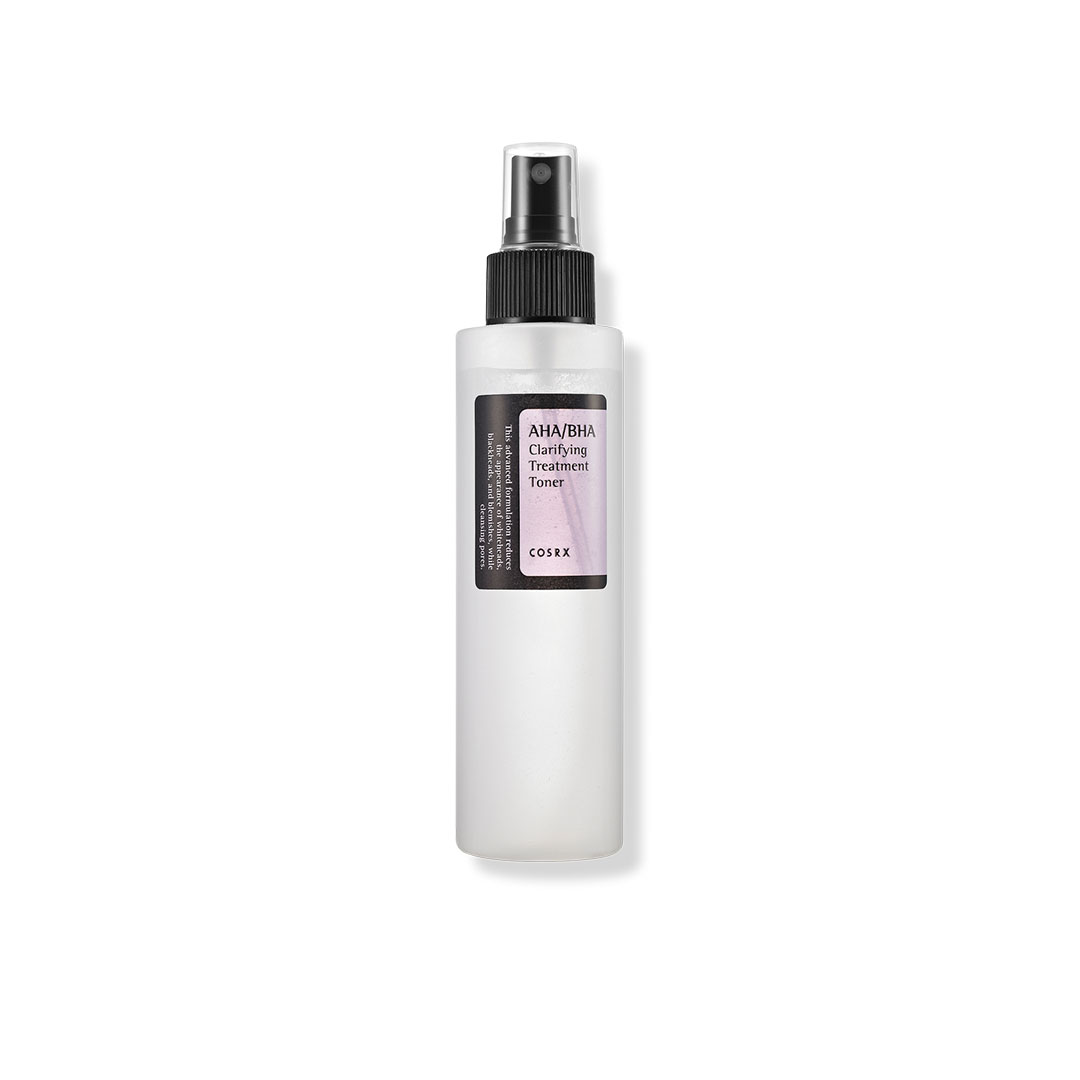
COSRX AHA/BHA Clarifying Treatment Toner vs. Drunk Elephant T.L.C. Sukari Babyfacial
Similarities:
Exfoliating Ingredients:
Both products contain exfoliating ingredients. The COSRX toner features AHA (Alpha Hydroxy Acid) and BHA (Beta Hydroxy Acid) ingredients, which help to exfoliate the skin’s surface, unclog pores, and remove dead skin cells. Similarly, the Drunk Elephant Babyfacial contains a potent blend of AHA and BHA acids, including glycolic, tartaric, lactic, citric, and salicylic acids, to provide deep exfoliation and resurface the skin.
Chemical Exfoliation:
Both products provide chemical exfoliation rather than physical exfoliation. Chemical exfoliants work by dissolving the bonds between dead skin cells, promoting cell turnover, and revealing smoother, more radiant skin underneath.
Skin Smoothing and Brightening:
Both products aim to improve skin texture and brightness. By exfoliating the skin, they help to minimize the appearance of pores, fine lines, and hyperpigmentation, resulting in a smoother, more even-toned complexion.
Differences:
Product Type:
The COSRX AHA/BHA Clarifying Treatment Toner is a toner, while the Drunk Elephant T.L.C. Sukari Babyfacial is a mask treatment. The COSRX toner is designed to be used daily after cleansing to gently exfoliate and prep the skin for subsequent skincare products. In contrast, the Drunk Elephant Babyfacial is a weekly treatment mask that provides a more intensive exfoliation experience.
Concentration and Strength:
The Drunk Elephant Babyfacial contains a higher concentration of AHA and BHA acids compared to the COSRX toner, making it a more potent and intensive exfoliating treatment. The Babyfacial is formulated with a 25% AHA blend and 2% BHA (salicylic acid), while the COSRX toner contains a lower concentration of AHA and BHA acids for gentle daily exfoliation.
Frequency of Use:
Due to its higher potency, the Drunk Elephant Babyfacial is recommended for weekly use as a treatment mask, while the COSRX toner can be used daily as part of a regular skincare routine.
Price Point:
The COSRX AHA/BHA Clarifying Treatment Toner typically has a lower price point compared to the Drunk Elephant T.L.C. Sukari Babyfacial, which is considered a luxury skincare product. The price difference may reflect variations in formulation, concentration, and brand positioning.
In summary, while both the COSRX AHA/BHA Clarifying Treatment Toner and the Drunk Elephant T.L.C. Sukari Babyfacial contain exfoliating ingredients and aim to improve skin texture and brightness, they differ in terms of product type, concentration, frequency of use, and price point. The choice between the two products may depend on individual preferences, skincare needs, and budget considerations.
 vs.
vs. 
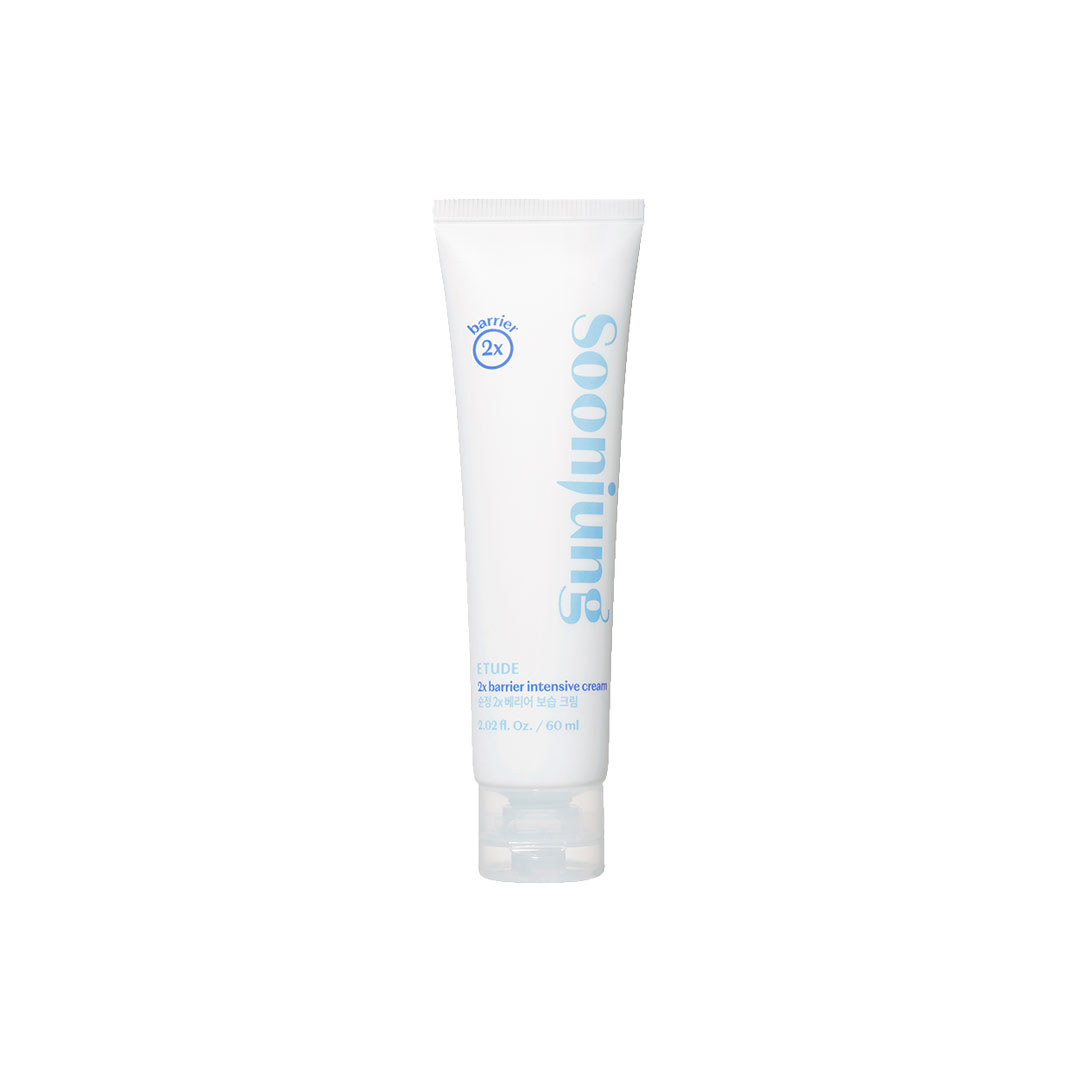
Etude Soon Jung 2x Barrier Intensive Cream vs. First Aid Beauty Ultra Repair Cream
Similarities:
Barrier Repair:
Both creams are formulated to repair and strengthen the skin’s natural moisture barrier. They contain ingredients that help to replenish moisture, soothe irritation, and protect the skin from environmental stressors, making them suitable for sensitive and dry skin types.
Hydration:
Both creams provide intense hydration to the skin. They contain moisturizing ingredients such as glycerin, shea butter, and ceramides, which help to attract and retain moisture, leaving the skin feeling soft, smooth, and hydrated.
Gentle Formulation:
Both products are formulated with gentle ingredients and are suitable for sensitive skin. They are free from common irritants such as fragrance, alcohol, and essential oils, making them suitable for those with sensitive or reactive skin.
Differences:
Key Ingredients:
While both creams aim to repair and hydrate the skin, they may differ in their key ingredients. The Etude Soon Jung cream contains panthenol (provitamin B5) and madecassoside, known for their soothing and healing properties, to calm and strengthen the skin’s barrier. The First Aid Beauty Ultra Repair Cream contains colloidal oatmeal, ceramides, and allantoin, which also help to soothe and hydrate the skin while providing antioxidant protection.
Texture and Absorption:
The texture and absorption of the creams may vary. Korean skincare products often have lightweight, gel-like textures that absorb quickly into the skin, making them suitable for layering multiple products in a skincare routine. In contrast, Western skincare products may have slightly richer textures or different application methods, depending on the brand’s preferences and target market.
Packaging and Price:
The packaging and price of the products may differ. Korean skincare products often come in sleek, minimalist packaging with a focus on functionality and affordability. In contrast, Western skincare products may feature more luxurious packaging and a higher price point, reflecting the brand’s positioning and target demographic.
In summary, while both the Etude Soon Jung 2x Barrier Intensive Cream and the First Aid Beauty Ultra Repair Cream share similarities in their focus on barrier repair, hydration, and gentle formulation, they may differ in brand, formulation, key ingredients, texture, absorption, packaging, and price. Ultimately, the choice between the two creams may depend on individual preferences, skincare needs, and budget considerations.
Conclusion
Korean skincare products and Western skincare products each offer unique approaches and formulations tailored to address various skincare concerns. While they may have distinct philosophies and ingredients, neither is inherently superior to the other. Instead, both can be used interchangeably depending on an individual’s needs, preferences, and skin type.
Korean skincare products are celebrated for their holistic approach, drawing inspiration from traditional herbal remedies and emphasizing hydration, nourishment, and gentle care. These products often feature lightweight textures, innovative ingredients, and multi-step routines designed to promote overall skin health and achieve a radiant complexion. Korean skincare also places a strong emphasis on prevention and maintenance, viewing skincare as a daily ritual that nurtures both the skin and the soul.
On the other hand, Western skincare products are recognized for their clinical formulations and focus on targeted treatments with potent active ingredients. These products often feature higher concentrations of actives such as retinol, alpha hydroxy acids (AHAs), and vitamin C, which are backed by scientific research and proven to deliver visible results. Western skincare prioritizes corrective treatments and addresses specific skin concerns such as acne, aging, and hyperpigmentation with precision and efficiency.
While Korean and Western skincare products may have different philosophies and ingredients, they can complement each other and be used interchangeably depending on individual needs. For example, someone with dry or sensitive skin may benefit from incorporating soothing and hydrating Korean skincare products into their routine, while also utilizing targeted treatments from Western brands to address specific concerns like fine lines or uneven skin tone.
Similarly, someone with oily or acne-prone skin may find success in combining gentle cleansers and lightweight moisturizers from Korean brands with oil-controlling or acne-fighting treatments from Western brands. By understanding the strengths and benefits of both skincare cultures, individuals can curate a personalized regimen that addresses their unique skincare needs and preferences.
Ultimately, the effectiveness of skincare products depends on factors such as formulation, ingredients, consistency of use, and individual skin type. Whether you choose Korean skincare, Western skincare, or a combination of both, what matters most is finding products that work for you and contribute to your skin’s health and well-being.
Best Korean Sunscreens Available in Canada: 2026 Buyer’s Guide
Korean sunscreens are in a league of their own — lightweight, non-greasy, and highly protective. [...]
10 Best Korean Skincare Brands You Can Buy in Canada Right Now
From COSRX to Beauty of Joseon, here are the 10 best Korean skincare brands available [...]
Best Korean Skincare for Acne-Prone Skin in Canada (Dermatologist-Loved Brands)
Struggling with acne? Korean skincare has some of the most effective, gentle solutions for acne-prone [...]
Korean Glass Skin: What It Is and How to Achieve It in Canada
Glass skin is the ultimate K-beauty goal — skin so clear, smooth, and luminous it [...]
The Complete Korean Skincare Routine for Canadian Winters (Step-by-Step Guide)
Struggling with dry, tight, irritated skin every Canadian winter? Discover the complete Korean skincare routine [...]
Glass Skin Regimen: Your Complete Guide to Achieving Flawless Korean Glass Skin
Glass Skin Regimen: Your Complete Guide to Achieving Flawless Korean Glass Skin The glass skin [...]
Korean Shop in Canada 100% Authentic: Your Complete Guide to Genuine K-Beauty Products
Finding a Korean shop in Canada that guarantees 100% authentic products can feel overwhelming with [...]
What Is The 10 Step Korean Skincare Routine?
The 10 Step Korean Skincare Routine: Complete Guide to Radiant Skin (2026) The 10 step [...]