
Ingredients, Anua, COSRX, Tips
The 5 Benefits Of Beta-hydroxy Acid (BHA)
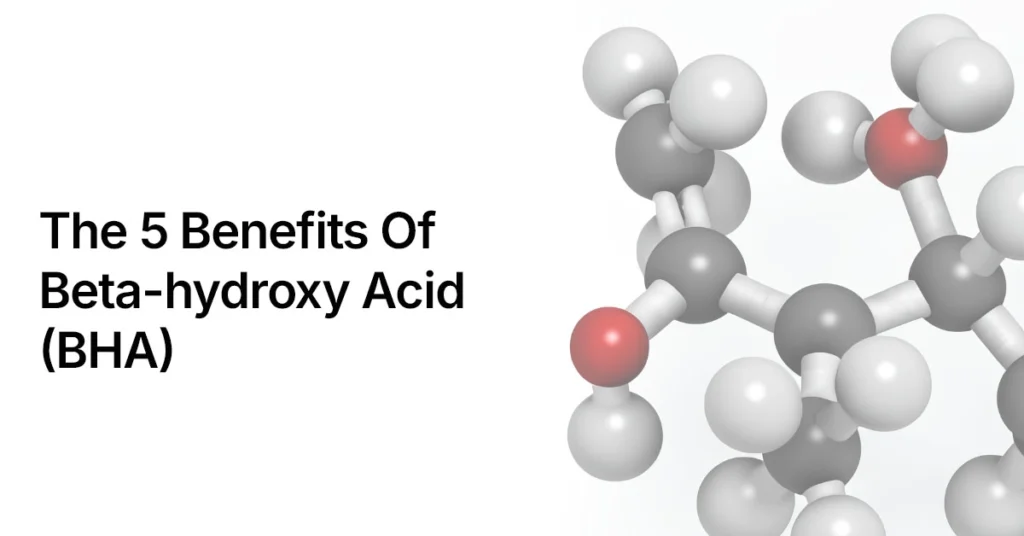
Among notable innovations in skincare is beta-hydroxy acid (BHA), which has gained considerable popularity in recent years. BHA, an effective exfoliating agent, offers a plethora of benefits for the skin, establishing itself as a preferred choice among skincare enthusiasts and professionals. This blog post will provide an in-depth exploration of BHA, detailing its nature, mechanism of action, and the various advantages it confers, thereby elucidating its growing prominence in the pursuit of healthy, radiant skin.
What is Beta-Hydroxy Acid (BHA)?
Beta-hydroxy acid (BHA) is a type of exfoliating acid that is derived from salicylic acid. Unlike alpha-hydroxy acid (AHA), which is water-soluble and works on the skin’s surface, BHA is oil-soluble and can penetrate the pores, making it a popular ingredient in products that target acne-prone skin. The most common type of BHA used in skincare products is salicylic acid, which is derived from willow bark.
How does BHA work?
BHA works by penetrating the skin’s surface and dissolving the glue that holds dead skin cells together. This helps to exfoliate the skin and unclog pores, which can reduce the appearance of acne and blackheads. BHA also has anti-inflammatory and anti-bacterial properties, making it an effective ingredient for treating acne-prone skin.
The 5 Benefits Of Beta-hydroxy Acid (BHA)
1. Exfoliates the Skin
As mentioned earlier, BHA works by exfoliating the skin and removing dead skin cells. This helps to unclog pores and can improve the texture and appearance of the skin. Regular use of BHA can also help to reduce the appearance of fine lines and wrinkles.
2. Reduces the Appearance of Acne
BHA’s ability to penetrate the pores makes it an effective ingredient for treating acne-prone skin. It works by dissolving the sebum and dead skin cells that can clog pores and lead to acne. BHA also has anti-inflammatory properties that can help to reduce redness and inflammation associated with acne.
3. Improves Skin Texture
BHA’s exfoliating properties not only help to unclog pores but also improve the skin’s texture. Regular use of BHA can help to smooth out rough patches and leave the skin looking and feeling smoother.
4. Helps to Fade Hyperpigmentation
BHA can also help to fade hyperpigmentation, such as dark spots and acne scars. This is because BHA exfoliates the skin, which can help to remove the top layer of skin cells that contain the pigment.
5. Reduces the Appearance of Fine Lines and Wrinkles
BHA’s exfoliating properties can also help to reduce the appearance of fine lines and wrinkles. By removing the top layer of dead skin cells, BHA can help to promote cell turnover and encourage the growth of new, healthy skin cells.
How to Use BHA in Your Skincare Routine
When it comes to using BHA in your skincare routine, it’s important to start slowly and introduce the ingredient gradually. This is because BHA can be irritating to some people, especially if you have sensitive skin.
1. Choose the Right Product
When choosing a BHA product, look for a product that contains between 1-2% salicylic acid. This is the optimal concentration for treating acne-prone skin without causing irritation. You can find BHA in a variety of skincare products, including cleansers, toners, and serums.
2. Patch Test
Before applying BHA to your entire face, it’s important to patch test the product on a small area of your skin first. This will help you to determine whether or not the product is suitable for your skin.
3. Use BHA in Moderation
When first starting out with BHA in your skincare routine, it’s important to use it in moderation. Start by using it once a week and gradually increase the frequency to two or three times a week as your skin adjusts to the ingredient.
4. Apply to Clean Skin
When applying BHA to your skin, make sure your skin is clean and dry. Apply a small amount of product to your fingertips and gently massage it into your skin, focusing on the areas where you are prone to breakouts.
5. Use Sunscreen
BHA can make your skin more sensitive to the sun, so it’s important to use sunscreen when using BHA in your skincare routine. Look for a broad-spectrum sunscreen with an SPF of 30 or higher and apply it every morning before going outside.
6. Avoid Using BHA with Other Exfoliants
When using BHA in your skincare routine, it’s important to avoid using other exfoliants, such as alpha-hydroxy acid (AHA), at the same time. This is because using too many exfoliants can damage your skin and cause irritation.
Beta-Hydroxy Acid (BHA) Product Recommendations
ANUA BHA 2% Gentle Exfoliating Toner
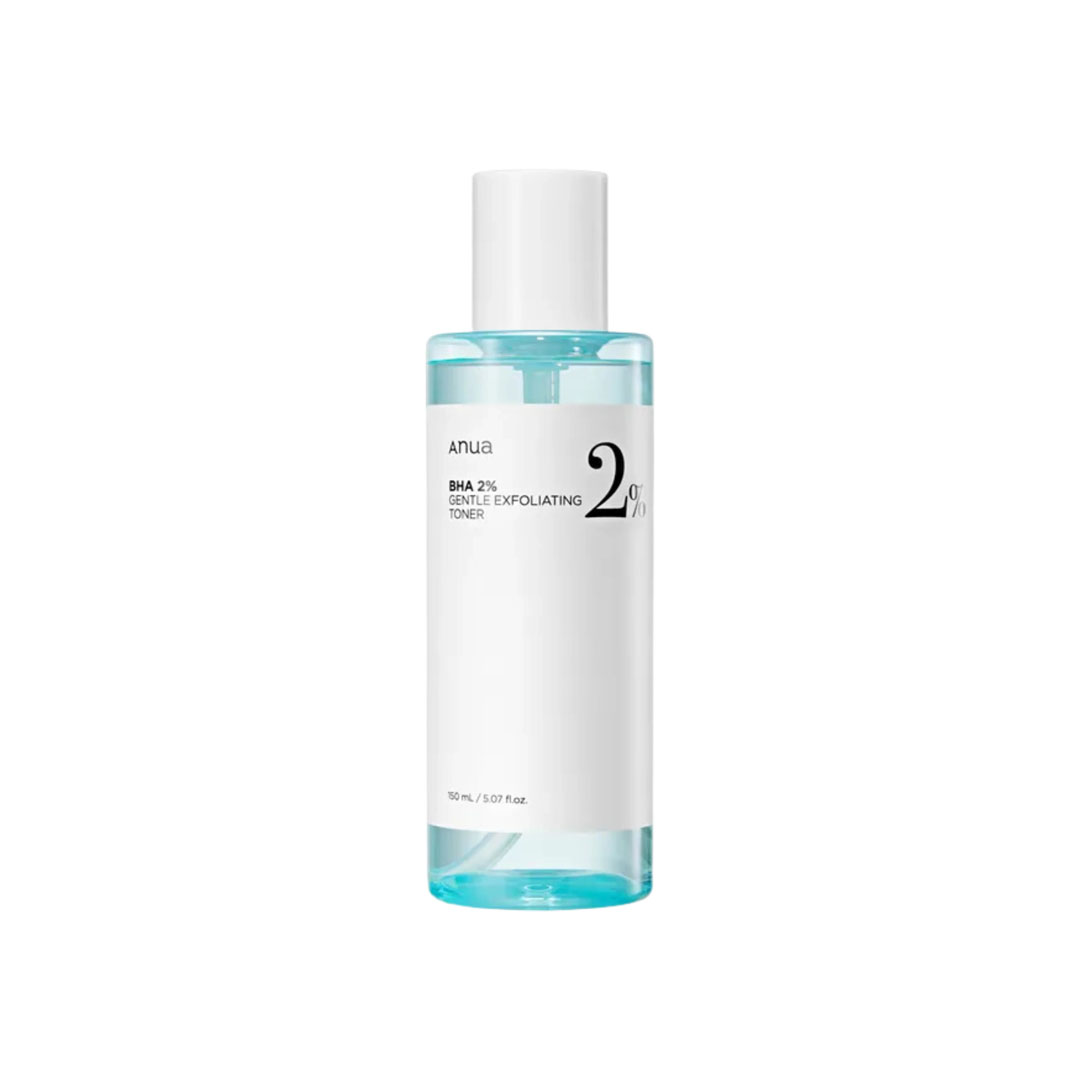
- Active Ingredient: 2% Beta-Hydroxy Acid (BHA)
- Key Benefits:
- Gentle exfoliation suitable for regular use
- Promotes smoother, clearer skin
- Improves skin texture and tone
- Minimizes pore size
- Skin Types: Suitable for oily, combination, and acne-prone skin
- Usage:
- Apply after cleansing
- Use with a cotton pad or hands
- Recommended to start with a few times a week, gradually increasing frequency based on skin tolerance
- Formulation:
- Lightweight, non-sticky
- Absorbs quickly into the skin
COSRX BHA Blackhead Power Liquid
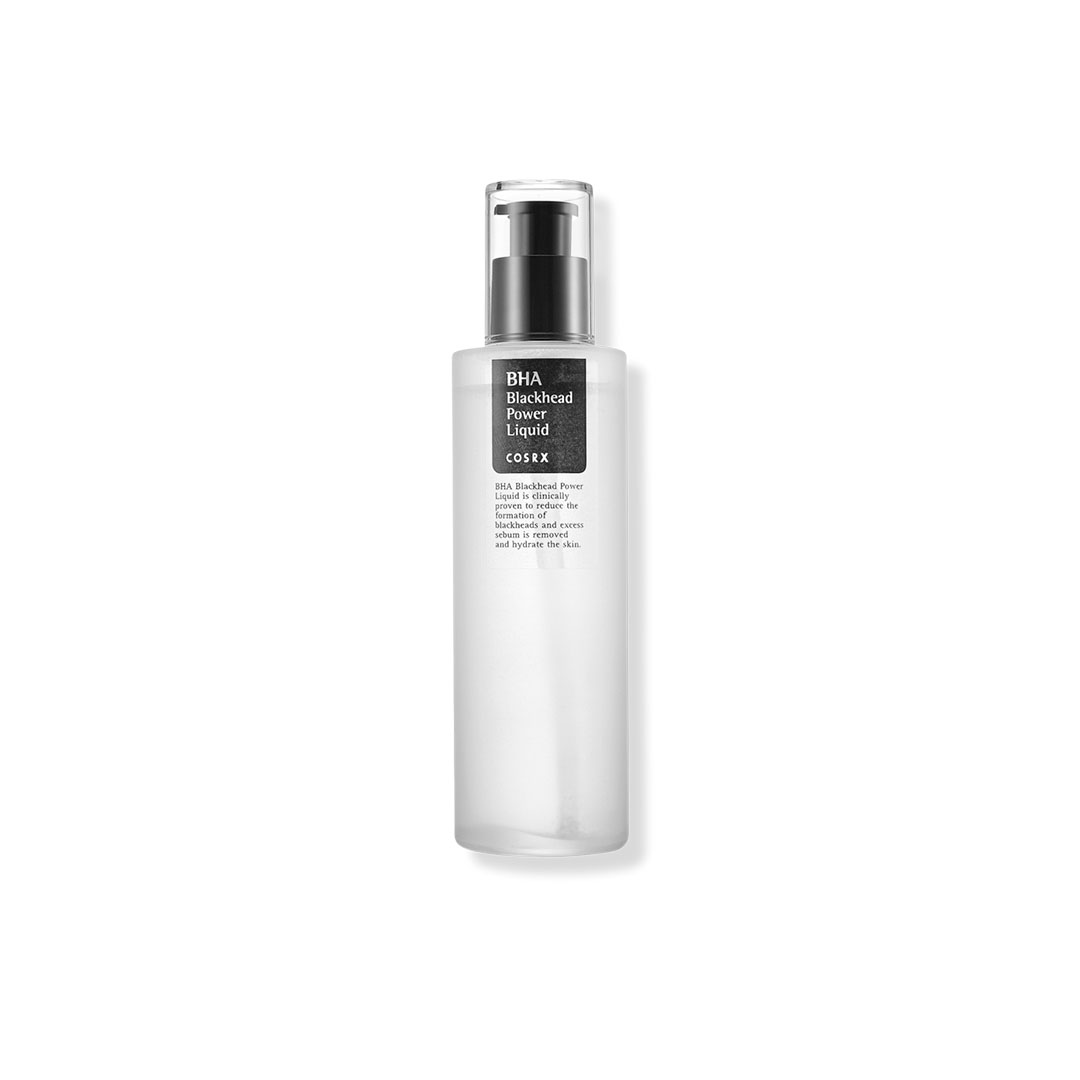
- Key Ingredients: Betaine Salicylate (a form of BHA), Willow Bark Water, Niacinamide, Hyaluronic Acid
- Key Benefits:
- Unclogs pores and removes impurities
- Reduces blackheads and whiteheads
- Improves skin texture and evens out skin tone
- Hydrates and balances the skin
- Usage:
- Apply after cleansing
- Start with 1-2 times a week, gradually increase as tolerated
- Always follow with sunscreen during the day
- Skin Types: Oily, acne-prone, and combination skin types
- Formulation:
- Lightweight, non-sticky
- Absorbs quickly into the skin
Conclusion
Overall, Beta-hydroxy acid (BHA) is a powerful ingredient that offers numerous benefits for the skin. From exfoliating the skin and reducing the appearance of acne to improving skin texture and reducing the appearance of fine lines and wrinkles, BHA is a versatile ingredient that can help to improve the overall health and appearance of your skin. When using BHA in your skincare routine, it’s important to start slowly and introduce the ingredient gradually. With consistent use and the right skincare routine, you can reap the many benefits of BHA and achieve healthy, glowing skin.
Best Korean Sunscreens Available in Canada: 2026 Buyer’s Guide
Korean sunscreens are in a league of their own — lightweight, non-greasy, and highly protective. [...]
10 Best Korean Skincare Brands You Can Buy in Canada Right Now
From COSRX to Beauty of Joseon, here are the 10 best Korean skincare brands available [...]
Best Korean Skincare for Acne-Prone Skin in Canada (Dermatologist-Loved Brands)
Struggling with acne? Korean skincare has some of the most effective, gentle solutions for acne-prone [...]
Korean Glass Skin: What It Is and How to Achieve It in Canada
Glass skin is the ultimate K-beauty goal — skin so clear, smooth, and luminous it [...]
The Complete Korean Skincare Routine for Canadian Winters (Step-by-Step Guide)
Struggling with dry, tight, irritated skin every Canadian winter? Discover the complete Korean skincare routine [...]
Glass Skin Regimen: Your Complete Guide to Achieving Flawless Korean Glass Skin
Glass Skin Regimen: Your Complete Guide to Achieving Flawless Korean Glass Skin The glass skin [...]
Korean Shop in Canada 100% Authentic: Your Complete Guide to Genuine K-Beauty Products
Finding a Korean shop in Canada that guarantees 100% authentic products can feel overwhelming with [...]
What Is The 10 Step Korean Skincare Routine?
The 10 Step Korean Skincare Routine: Complete Guide to Radiant Skin (2026) The 10 step [...]