
Tips, Aestura, Axis-Y, Beauty of Joseon, Etude, ILLIYOON, Torriden
The Difference Between Dehydrated Skin and Dry Skin

When it comes to skincare, understanding your skin type and condition is crucial for selecting the right products. Two terms often used interchangeably but fundamentally different are dehydrated skin and dry skin. While both can cause discomfort and visible issues, they have distinct causes and require unique care. This blog will demystify these terms and offer tailored Korean skincare product recommendations to address each concern.
The Difference Between Dehydrated Skin and Dry Skin
Dry Skin: A Skin Type, Lack of Oil
What is Dry Skin? Dry skin, also known as xerosis, is a skin type characterized by a lack of natural oils (sebum). It often feels rough, flaky, and itchy. This condition can be genetic, and it tends to be more persistent compared to dehydrated skin.
Characteristics of Dry Skin:
- Rough Texture: Feels coarse and may appear flaky.
- Itchiness: Can be itchy and prone to irritation.
- Visible Pores: Generally small and less visible due to the lack of oil.
- Common Areas: Usually affects the face, hands, arms, and legs.
Causes of Dry Skin:
- Genetics: Often runs in families.
- Aging: Sebum production decreases with age.
- Environmental Factors: Cold weather, low humidity, and harsh soaps can strip the skin of its natural oils.
- Medical Conditions: Conditions like eczema and psoriasis can cause chronic dryness.
How to Treat Dry Skin:
- Moisturize Regularly: Use rich, oil-based moisturizers to replenish lost oils.
- Gentle Cleansing: Avoid harsh soaps and opt for mild, hydrating cleansers.
- Humidifiers: Use humidifiers in dry environments to add moisture to the air.
- Protect Your Skin: Wear protective clothing and use gentle skincare products to avoid further irritation.
Recommendations for Dry Skin:
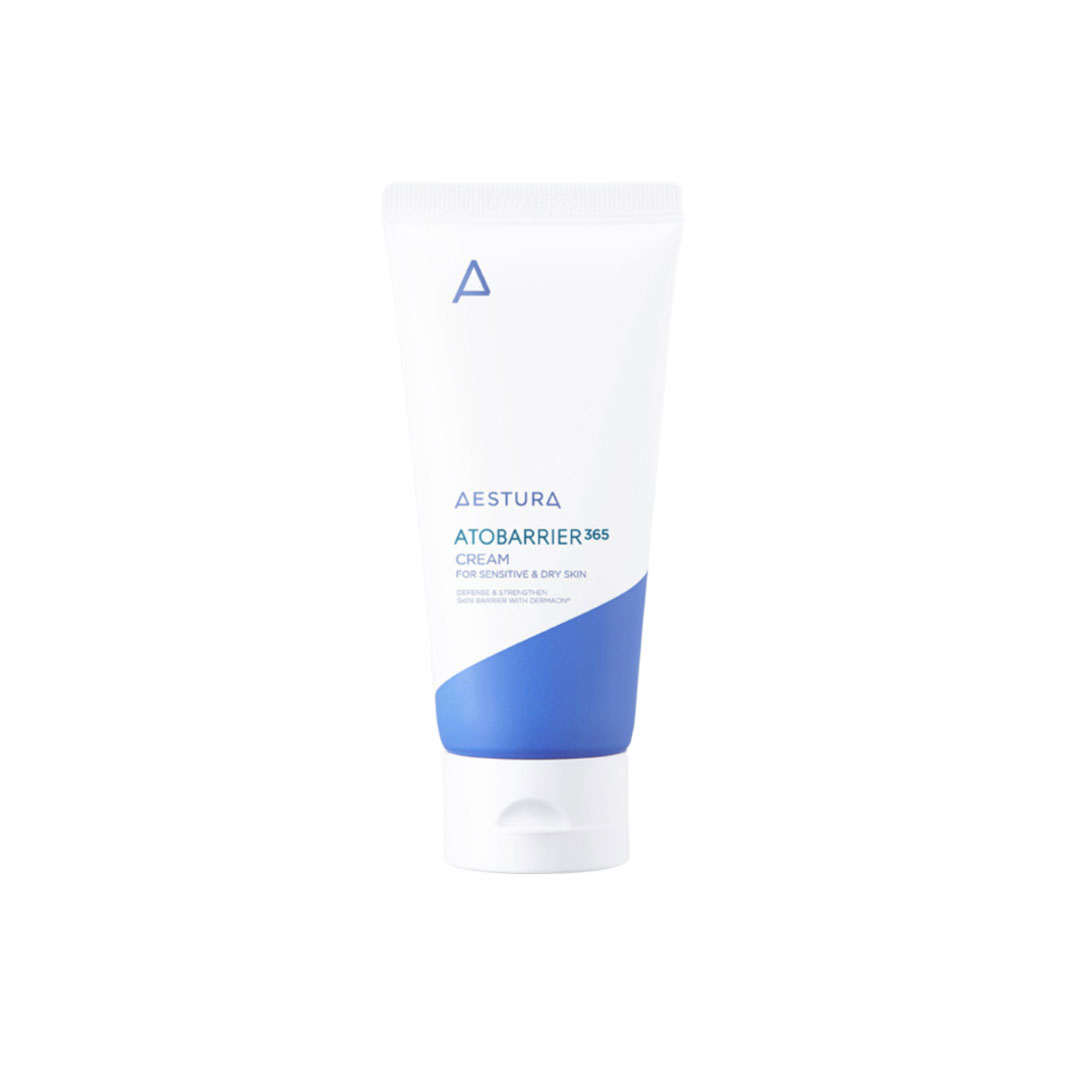
- Aestura Atobarrier 365 Cream
Key Ingredients: Ceramides, panthenol.
Why It Works: This cream strengthens the skin barrier while delivering long-lasting hydration, making it perfect for combating dryness.
- Illiyoon Ceramide Ato Concentrate Cream
Key Ingredients: Ceramide skin complex, panthenol.
Why It Works: A cult favorite, this cream deeply hydrates, strengthens the skin barrier, and calms irritation.

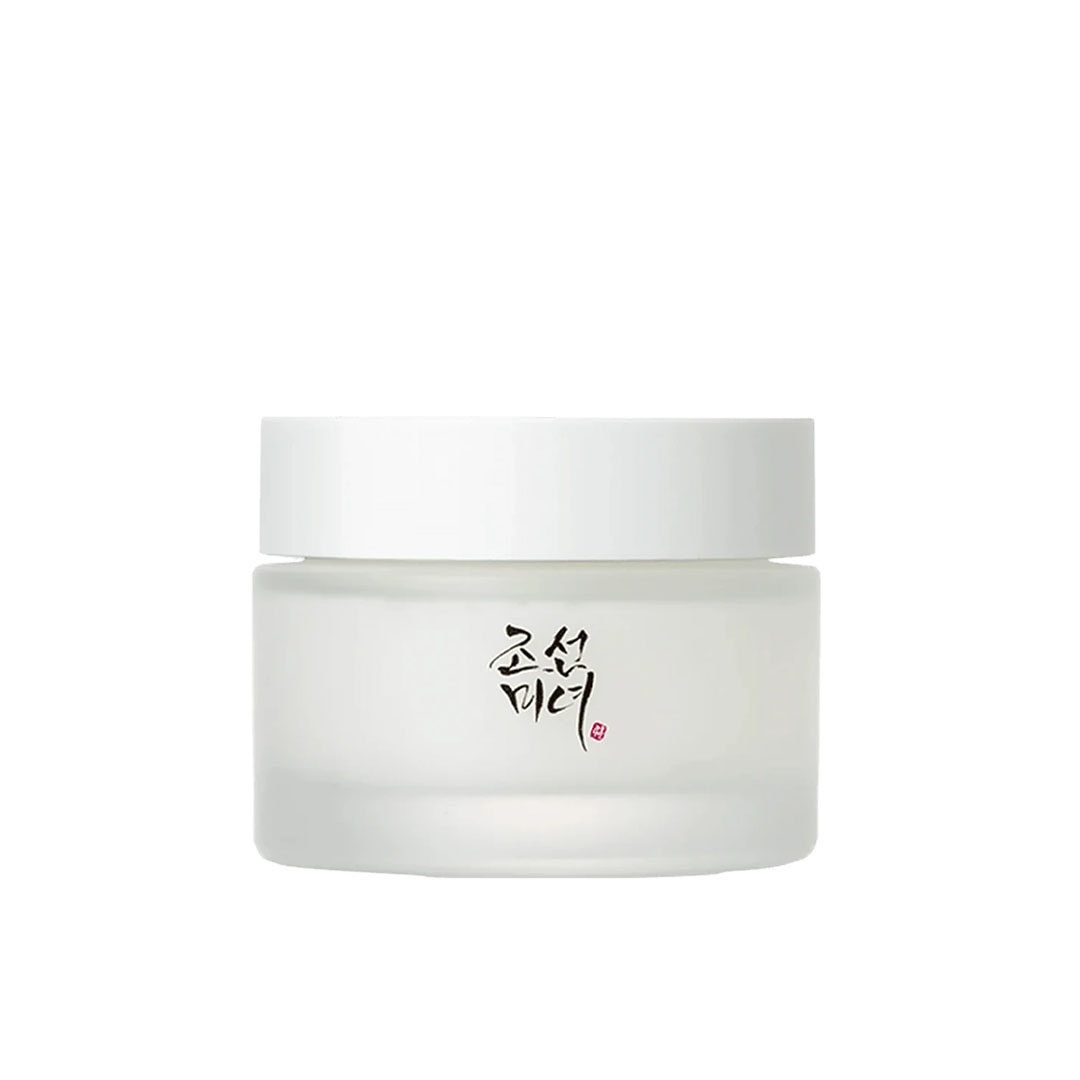
- Beauty of Joseon Dynasty Cream
Key Ingredients: Ginseng extract, niacinamide, squalane.
Why It Works: A luxuriously rich cream that restores moisture and brightens the complexion.
Dehydrated Skin: A Skin Condition, Lack of Water
What is Dehydrated Skin? Dehydrated skin is a skin condition characterized by a lack of water. Unlike dry skin, which is a skin type, dehydration can affect any skin type, including oily and combination skin. Dehydrated skin can feel tight and look dull.
Characteristics of Dehydrated Skin:
- Tightness: Feels tight and uncomfortable.
- Dull Appearance: Lacks radiance and may look lifeless.
- Fine Lines: More pronounced fine lines, especially when you smile or make other facial expressions.
- Oiliness: Can produce excess oil as the skin tries to compensate for the lack of moisture.
Causes of Dehydrated Skin:
- Environmental Factors: Sun exposure, wind, and extreme temperatures can deplete skin’s water content.
- Lifestyle Choices: Lack of sleep, poor diet, and insufficient water intake can contribute to dehydration.
- Skincare Products: Overuse of harsh products, such as alcohol-based toners and exfoliants, can strip the skin of its natural moisture.
- Internal Factors: Factors like stress and hormonal imbalances can affect the skin’s hydration levels.
How to Treat Dehydrated Skin:
- Hydrate Internally: Drink plenty of water and eat water-rich foods to boost hydration from within.
- Hydrating Skincare: Use products containing hydrating ingredients like hyaluronic acid, glycerin, and aloe vera.
- Gentle Cleansing: Choose mild, hydrating cleansers that do not strip the skin of its natural moisture.
- Avoid Over-Exfoliating: Limit exfoliation to avoid further depletion of moisture.
Recommendations for Dehydrated Skin:
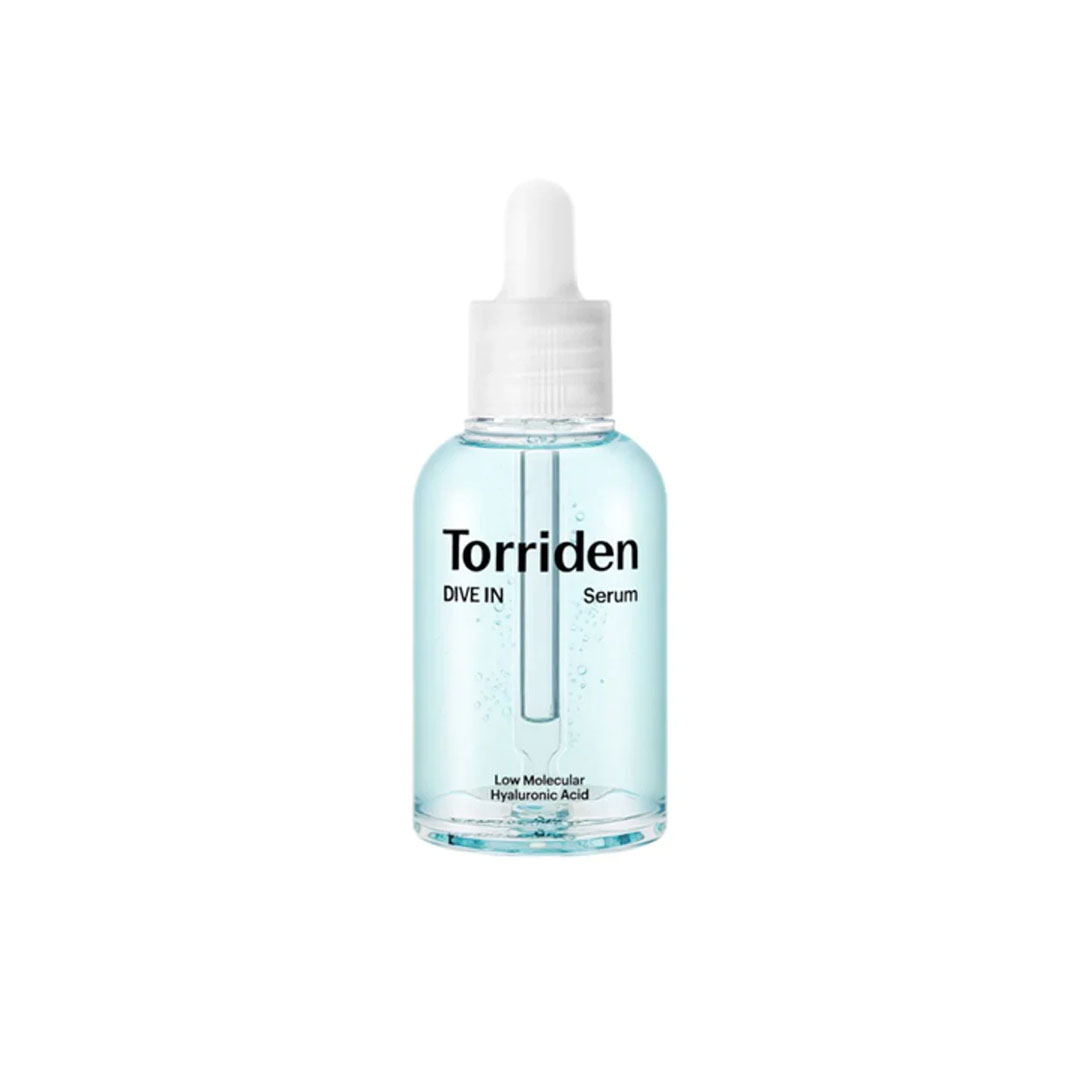
- Torriden Dive-In Low Molecule Hyaluronic Acid Serum
Key Ingredients: 5D hyaluronic acid, panthenol.
Why It Works: Penetrates deeply to deliver lasting hydration without clogging pores.
- Etude House Soon Jung pH 5.5 Relief Toner
Key Ingredients: Panthenol, madecassoside.
Why It Works: A calming, hydrating toner perfect for sensitive, dehydrated skin.

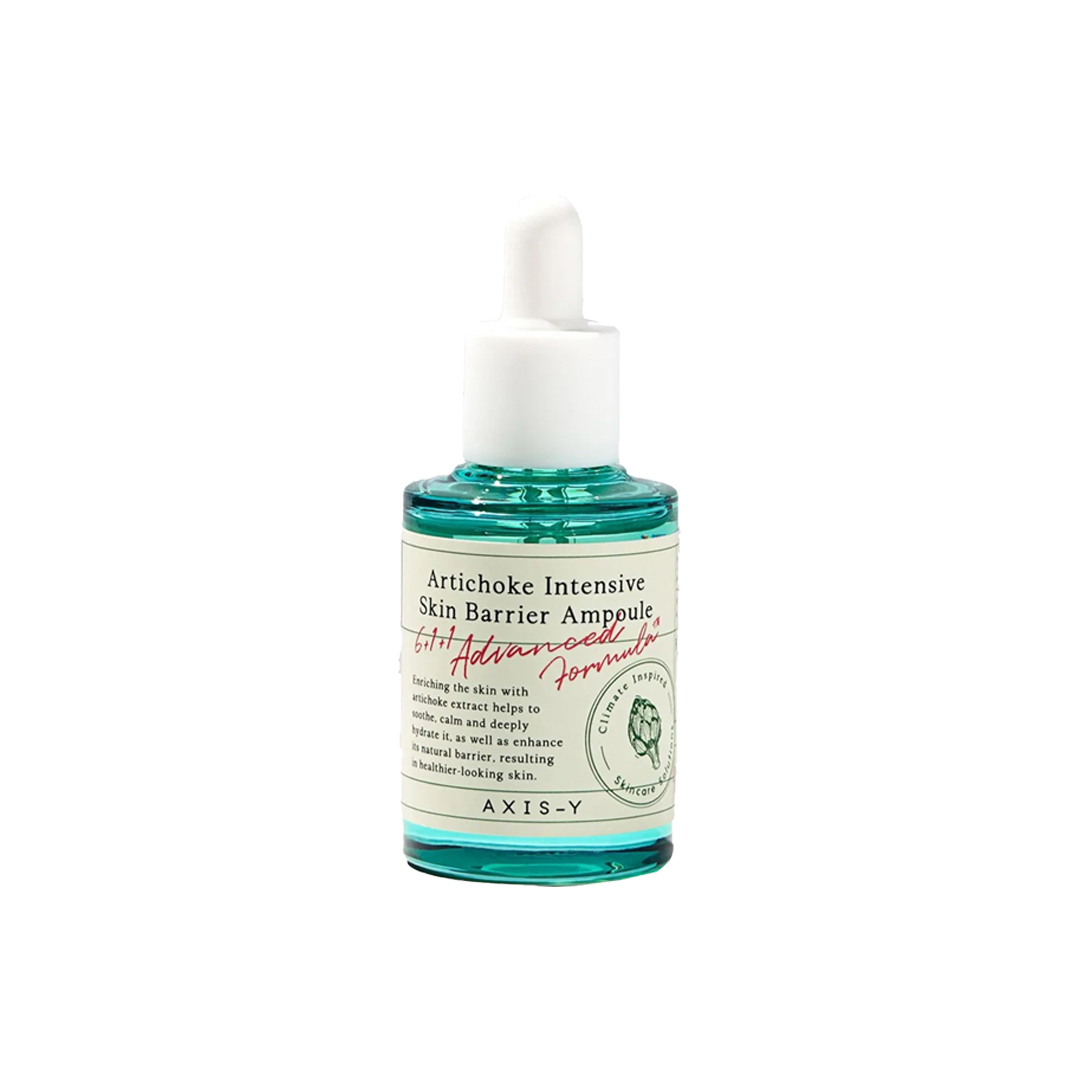
- AXIS-Y Artichoke Intensive Skin Barrier Ampoule
Key Ingredients: Artichoke extract, ceramides, peptides.
Why It Works: Strengthens the skin barrier while providing a hydration boost.
Dry vs. Dehydrated Skin: A Quick Comparison
| Feature | Dry Skin | Dehydrated Skin |
|---|---|---|
| Cause | Lack of natural oils (genetic). | Lack of water (temporary). |
| Skin Texture | Flaky, rough. | Tight but not flaky. |
| Oiliness | Rarely oily. | Can be oily in some areas. |
| Treatment Focus | Restore lipids. | Increase water content. |
Final Thoughts
While dry and dehydrated skin share some symptoms, understanding the underlying causes helps tailor your skincare routine. Whether you need to replenish lost lipids or boost hydration levels, Korean skincare offers a range of products to address these needs. With their innovative formulations and gentle ingredients, these products are well-suited for both concerns.
Remember, a consistent skincare routine is key to achieving and maintaining healthy, balanced skin. Adjust your routine based on your skin’s needs, and don’t hesitate to consult a dermatologist for persistent issues.
Best Korean Sunscreens Available in Canada: 2026 Buyer’s Guide
Korean sunscreens are in a league of their own — lightweight, non-greasy, and highly protective. [...]
10 Best Korean Skincare Brands You Can Buy in Canada Right Now
From COSRX to Beauty of Joseon, here are the 10 best Korean skincare brands available [...]
Best Korean Skincare for Acne-Prone Skin in Canada (Dermatologist-Loved Brands)
Struggling with acne? Korean skincare has some of the most effective, gentle solutions for acne-prone [...]
Korean Glass Skin: What It Is and How to Achieve It in Canada
Glass skin is the ultimate K-beauty goal — skin so clear, smooth, and luminous it [...]
The Complete Korean Skincare Routine for Canadian Winters (Step-by-Step Guide)
Struggling with dry, tight, irritated skin every Canadian winter? Discover the complete Korean skincare routine [...]
Glass Skin Regimen: Your Complete Guide to Achieving Flawless Korean Glass Skin
Glass Skin Regimen: Your Complete Guide to Achieving Flawless Korean Glass Skin The glass skin [...]
Korean Shop in Canada 100% Authentic: Your Complete Guide to Genuine K-Beauty Products
Finding a Korean shop in Canada that guarantees 100% authentic products can feel overwhelming with [...]
What Is The 10 Step Korean Skincare Routine?
The 10 Step Korean Skincare Routine: Complete Guide to Radiant Skin (2026) The 10 step [...]