
Tips, Beauty of Joseon, COSRX, SKIN1004
What is the Secret Behind Korean Skin?

Korean skin is often lauded for its seemingly flawless, radiant, and youthful appearance. This distinctive glow, which has captivated beauty enthusiasts around the world, is not the result of a singular secret but a combination of dedicated skincare practices, high-quality products, and a cultural commitment to maintaining healthy skin. The Korean beauty philosophy centers on prevention, consistency, and overall skin health, rather than covering imperfections with makeup. In this blog post, we will explore the key elements behind the radiant complexion often associated with Korean skin and uncover the factors that contribute to its global reputation.
1. The Holistic Approach to Skin Care
At the heart of Korean skincare is the belief that skin health reflects overall well-being. The approach is holistic, focusing on nourishing the skin from within and addressing its specific needs with carefully selected products. In contrast to reactive skincare routines, which focus on treating problems after they arise, the Korean approach prioritizes prevention, hydration, and balance.
This philosophy is deeply ingrained in Korean culture, where clear, glowing skin is seen as a sign of health and vitality. Rather than emphasizing the use of makeup to cover blemishes or imperfections, Koreans focus on achieving a naturally radiant complexion through a consistent and well-rounded skincare regimen.
2. The Multi-Step Skincare Routine
Perhaps the most well-known aspect of Korean skincare is the multi-step routine, which involves layering various products to target specific concerns. This routine is highly customizable and allows individuals to adjust their regimen based on their skin type, condition, and seasonal changes. The multi-step process generally includes the following:
- Double Cleansing: The foundation of any Korean skincare routine is double cleansing. This involves using an oil-based cleanser first to remove makeup, sunscreen, and excess sebum, followed by a water-based cleanser to remove impurities and prepare the skin for the next steps.
- Toning: After cleansing, toners are used to restore the skin’s pH balance and hydrate the skin. Unlike Western toners, which are often astringent, Korean toners are typically more hydrating and designed to soften the skin.
- Essence: Essences are unique to Korean skincare and are considered one of its core components. They are lightweight, hydrating liquids packed with active ingredients that promote skin cell turnover, hydration, and overall health.
- Serums and Ampoules: These are concentrated treatments that target specific skin concerns, such as pigmentation, wrinkles, or dullness. Depending on the individual’s needs, serums and ampoules are applied to boost the skin’s resilience and brightness.
- Sheet Masks: Sheet masks provide an additional boost of hydration and nourishment. These masks are often infused with vitamins, antioxidants, and other skin-loving ingredients and are typically used a few times a week for an extra layer of care.
- Moisturizer: Locking in moisture is key to maintaining a plump and hydrated complexion. Korean moisturizers come in various forms, from gels to creams, and are applied as a final step in the evening to seal in hydration and nutrients.
- Sunscreen (for the daytime routine): Sunscreen is a non-negotiable step in Korean skincare. Protecting the skin from UV rays is essential to prevent premature aging, hyperpigmentation, and other forms of sun damage.
This routine is more than a daily ritual; it’s a practice of mindfulness and care, where each layer of product is applied with the intent of supporting long-term skin health.
3. Innovative Ingredients and Formulations
Korean beauty products are known for their innovative formulations and use of unique, high-quality ingredients that are often rooted in traditional practices. The Korean beauty industry is constantly researching and introducing new, effective ingredients to address a range of skin concerns. Some of the most popular and effective ingredients used in Korean skincare include:
- Snail Mucin: Known for its regenerative properties, snail mucin helps with skin repair, hydration, and improving elasticity. This ingredient is a staple in Korean skincare products and is used to promote a youthful, smooth complexion.
Example: COSRX Advanced Snail 92 All-in-One Cream (Tube)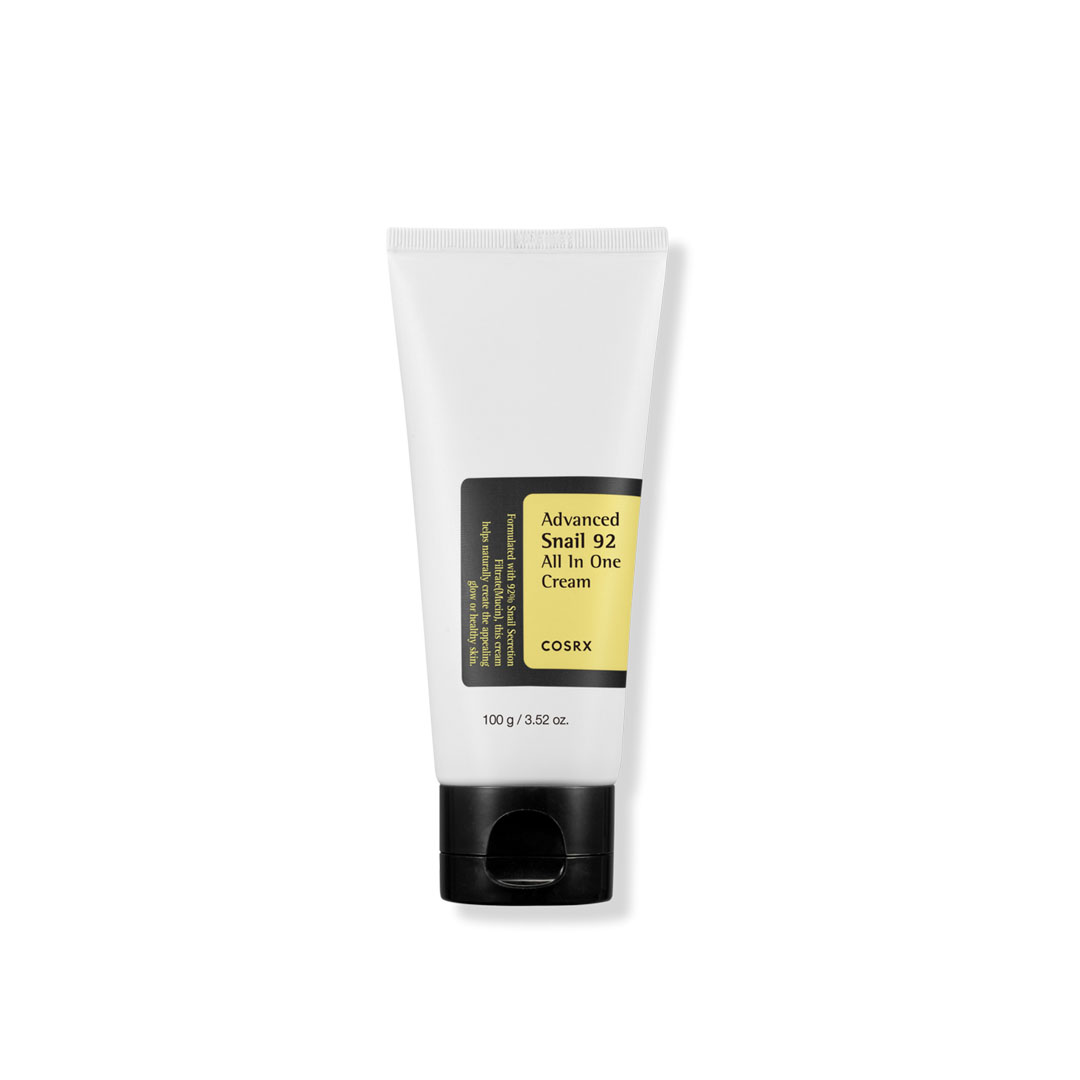
- Centella Asiatica (Cica): A calming herb that soothes and heals the skin, Centella Asiatica is used extensively in Korean products to reduce inflammation, redness, and irritation. It is particularly beneficial for sensitive or acne-prone skin.
Example: SKIN1004 Madagascar Centella Toning Toner

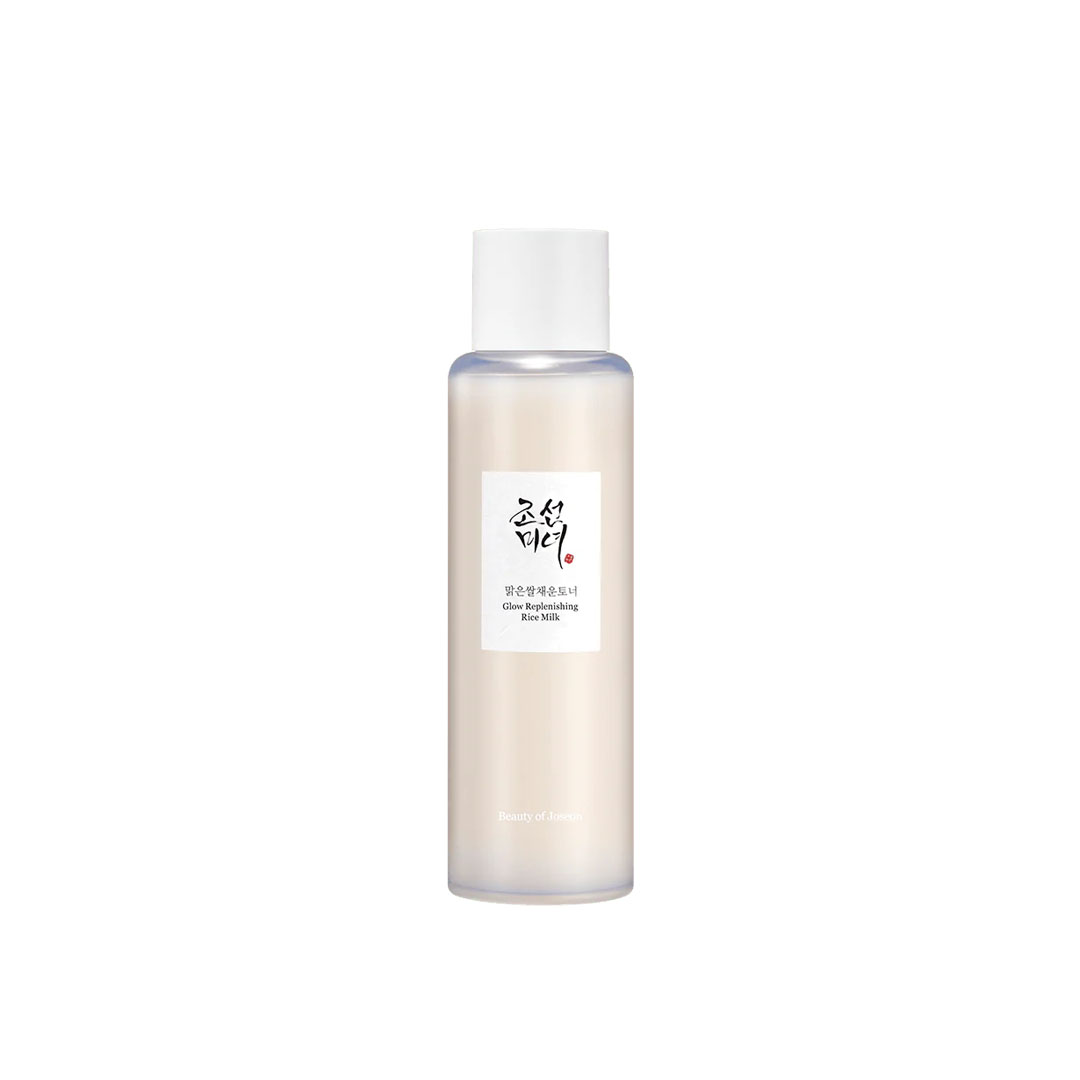
- Fermented Ingredients: Fermented extracts like rice water, yeast, and soybeans are frequently used in Korean skincare. The fermentation process enhances the potency of these ingredients, making them more effective in promoting hydration, skin barrier support, and a glowing complexion.
Example: Beauty of Joseon Glow Replenishing Rice Milk
- Propolis: A resinous mixture produced by bees, propolis is known for its antibacterial, anti-inflammatory, and moisturizing properties. It helps to calm and protect the skin while enhancing its natural glow.
Example: COSRX Full Fit Propolis Light Ampoule

- Ginseng: A traditional Korean ingredient, ginseng is packed with antioxidants that improve blood circulation, brighten the complexion, and promote overall skin health.
Example: Beauty of Joseon Revive Eye Serum: Ginseng + Retinal

The combination of these gentle yet potent ingredients allows Korean products to deliver deep hydration, nourishment, and anti-aging benefits without irritating the skin.
4. Focus on Hydration
Hydration is a cornerstone of Korean skincare, and achieving a dewy, plump complexion is one of the most sought-after goals. Korean products are often formulated with humectants like hyaluronic acid, glycerin, and aloe vera to draw moisture into the skin and keep it hydrated throughout the day.
The focus on hydration extends beyond just moisturizers—toners, essences, and serums all play a role in delivering moisture to the skin. This layering technique ensures that the skin remains hydrated at all levels, which not only enhances its appearance but also strengthens the skin barrier. A well-hydrated barrier helps to protect the skin from environmental stressors, irritants, and premature aging.
5. Sunscreen as a Daily Essential
A major contributing factor to the flawless appearance of Korean skin is the consistent use of sunscreen. In Korea, sun protection is considered one of the most important steps in maintaining healthy, youthful skin. UV exposure is one of the leading causes of skin damage, including wrinkles, hyperpigmentation, and loss of elasticity.
Koreans are meticulous about applying sunscreen every day, regardless of the weather or season. The preference is for lightweight, non-greasy formulas with broad-spectrum protection (UVA and UVB). These sunscreens often contain added skincare benefits, such as antioxidants and hydrating ingredients, to further support the skin’s health.
6. Cultural Emphasis on Skincare from a Young Age
In Korea, the importance of skincare is ingrained from an early age. Parents often teach their children how to properly care for their skin, starting with gentle cleansing and sun protection. This early introduction fosters healthy habits that continue into adulthood, resulting in a consistent and proactive approach to skin health.
The cultural value placed on having clear, glowing skin means that Koreans often start using skincare products during their teenage years to prevent common skin issues like acne and hyperpigmentation. By addressing skin concerns early and maintaining a preventive approach, they are able to preserve their skin’s health and appearance over time.
7. Diet and Lifestyle Factors
Korean skincare goes beyond topical treatments—it is supported by a balanced diet and healthy lifestyle choices. The traditional Korean diet is rich in antioxidants, vitamins, and anti-inflammatory foods that promote skin health from within. Fermented foods like kimchi, which are staples of the Korean diet, are packed with probiotics that improve gut health, which has been linked to clearer skin.
In addition, green tea, a popular beverage in Korea, is known for its high levels of antioxidants, which help to protect the skin from free radical damage and inflammation. Other nutrient-dense foods, such as tofu, seaweed, and fish, provide essential fatty acids, vitamins, and minerals that contribute to a glowing complexion.
Conclusion: The Secret to Korean Skin
The secret to Korean skin lies in the combination of a holistic, preventive approach, a commitment to hydration and sun protection, and the use of innovative, effective ingredients. Koreans view skincare as an essential part of their daily routine, starting from a young age and prioritizing long-term skin health over short-term fixes. By focusing on hydration, gentle care, and consistency, they are able to achieve the radiant, smooth, and youthful complexion that is admired worldwide. While genetics may play a role, the key to flawless Korean skin is accessible to anyone willing to adopt these skincare principles and practices.
Best Korean Sunscreens Available in Canada: 2026 Buyer’s Guide
Korean sunscreens are in a league of their own — lightweight, non-greasy, and highly protective. [...]
10 Best Korean Skincare Brands You Can Buy in Canada Right Now
From COSRX to Beauty of Joseon, here are the 10 best Korean skincare brands available [...]
Best Korean Skincare for Acne-Prone Skin in Canada (Dermatologist-Loved Brands)
Struggling with acne? Korean skincare has some of the most effective, gentle solutions for acne-prone [...]
Korean Glass Skin: What It Is and How to Achieve It in Canada
Glass skin is the ultimate K-beauty goal — skin so clear, smooth, and luminous it [...]
The Complete Korean Skincare Routine for Canadian Winters (Step-by-Step Guide)
Struggling with dry, tight, irritated skin every Canadian winter? Discover the complete Korean skincare routine [...]
Glass Skin Regimen: Your Complete Guide to Achieving Flawless Korean Glass Skin
Glass Skin Regimen: Your Complete Guide to Achieving Flawless Korean Glass Skin The glass skin [...]
Korean Shop in Canada 100% Authentic: Your Complete Guide to Genuine K-Beauty Products
Finding a Korean shop in Canada that guarantees 100% authentic products can feel overwhelming with [...]
What Is The 10 Step Korean Skincare Routine?
The 10 Step Korean Skincare Routine: Complete Guide to Radiant Skin (2026) The 10 step [...]