
Tips, Anua, Beauty of Joseon, COSRX, Ingredients
Which is Better: Japanese or Korean Skincare? An In-Depth Comparison

The skincare industries in Japan and Korea have garnered international attention and admiration for their unique approaches, highly effective formulations, and transformative beauty routines. While both countries offer exceptional products, they differ in philosophy, formulation, and target concerns. This post will break down key elements of Japanese and Korean skincare, exploring the products, routines, and ingredients that define each and help you decide which might be best suited to your skincare needs.
Skincare Philosophy: The Core Differences
Japanese Skincare Philosophy
Japanese skincare emphasizes simplicity, purity, and long-term skin health. Traditional Japanese skincare products focus on maintaining a balanced and hydrated complexion. Rather than targeting specific skin issues, the Japanese approach aims to protect and support the skin’s natural functions, often avoiding complex layering. The belief is that a streamlined, nourishing routine fosters overall skin health.
Key characteristics include:
- Minimalist routines focused on hydration, cleansing, and sun protection.
- Traditional ingredients like rice, green tea, and camellia oil, known for their gentle yet effective qualities.
- A focus on preventive skincare, aiming to maintain skin health rather than solve skin issues as they arise.
Korean Skincare Philosophy
Korean skincare, on the other hand, is innovation-driven, focusing on results, novelty, and an intensive routine. Known for the “10-step skincare routine,” Korean skincare aims to layer multiple lightweight products to address a range of skin concerns simultaneously. K-Beauty enthusiasts enjoy experimenting with textures, ingredients, and product categories to create a truly customized regimen.
Key characteristics include:
- Multi-step routines that may involve layering serums, essences, ampoules, and more.
- Innovative ingredients like snail mucin, propolis, and hyaluronic acid, which often originate in K-Beauty.
- A focus on treatment-driven skincare, with products formulated to target specific concerns like brightening, anti-aging, or acne.
Ingredient Focus
Japanese Skincare Ingredients
Japanese skincare relies heavily on natural ingredients rooted in tradition. Some notable ones include:
- Rice Bran: Known for brightening and softening properties, rice bran is commonly found in cleansers and moisturizers.
- Green Tea: Rich in antioxidants, green tea helps protect the skin from environmental damage and reduces inflammation.
- Camellia Oil: Lightweight yet nourishing, camellia oil hydrates without clogging pores, making it ideal for a range of skin types.
Japanese products also tend to avoid artificial fragrances and dyes, favoring a minimalist approach that aligns with the Japanese philosophy of enhancing natural beauty.
Korean Skincare Ingredients
Korean skincare has introduced some of the most innovative ingredients to the global market, often incorporating unique textures and benefits. Some popular ingredients include:
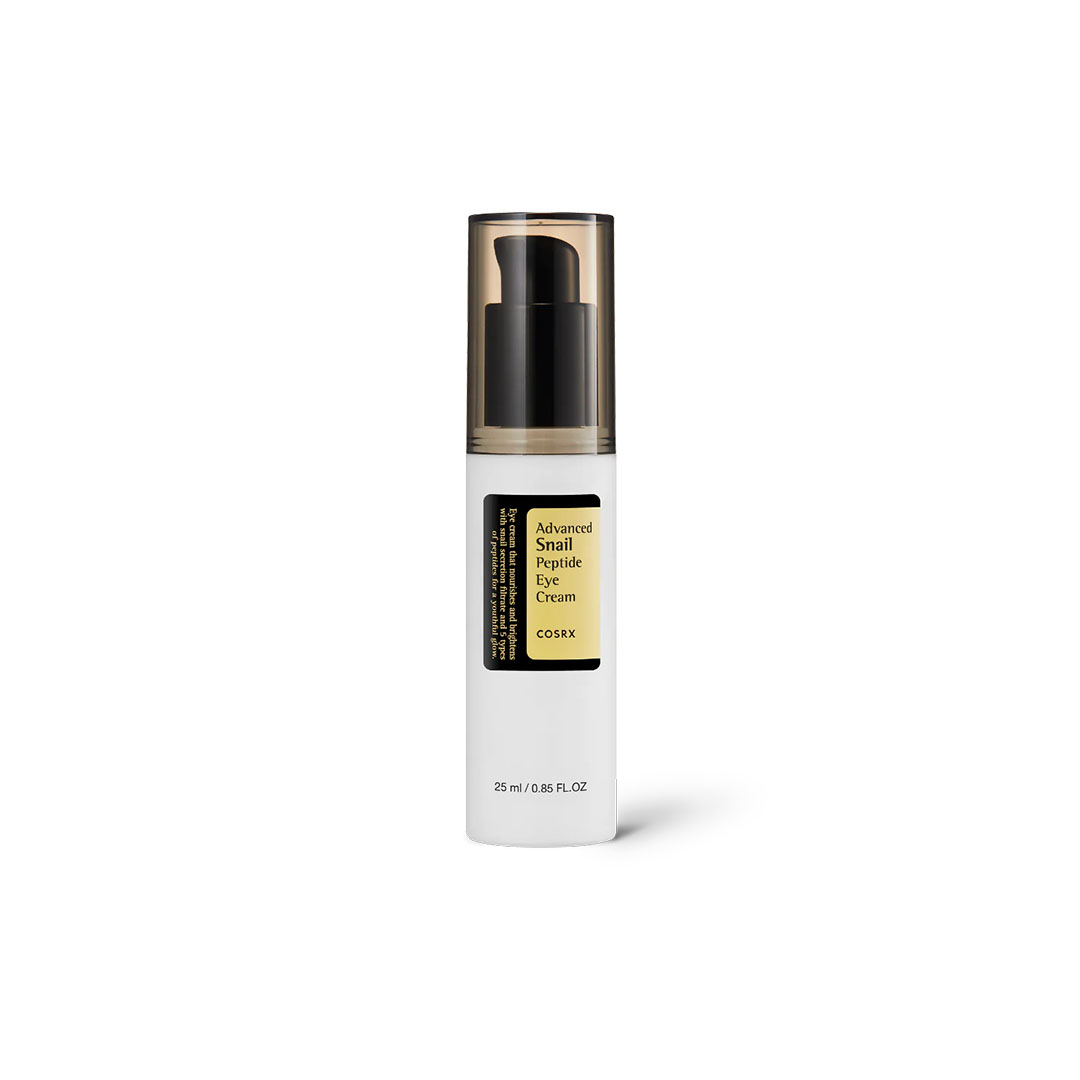
- Snail Mucin: Known for its hydrating and skin-repairing properties, snail mucin is celebrated for enhancing elasticity and reducing redness.
Example: COSRX Advanced Snail Peptide Eye Cream
- Centella Asiatica (Cica): A soothing herb that helps calm irritation, Centella is a favorite among those with sensitive or acne-prone skin.
Example: Beauty of Joseon Centella Asiatica Calming Mask

- Niacinamide: Widely used in K-Beauty, niacinamide is a form of vitamin B3 that helps brighten and improve skin texture.
Example: ANUA Niacinamide 10% + TXA 4% Dark Spot Correcting Serum

Korean skincare brands often introduce new ingredient combinations that blend traditional herbal knowledge with modern cosmetic science, appealing to those interested in cutting-edge formulations.
Routine Structure: Minimalism vs. Layering
Japanese Skincare Routine
A typical Japanese skincare routine consists of fewer steps, with an emphasis on double cleansing, hydration, and sun protection. The routine often includes:
- Oil Cleanser: To remove makeup and impurities.
- Foaming Cleanser: A gentle cleanse that respects the skin’s barrier.
- Hydrating Toner: Adds moisture rather than stripping the skin.
- Moisturizer: Cream-based, to seal in hydration.
- Sun Protection: Often a lightweight, gel-textured sunscreen.
This simplified routine is designed to maintain skin health with high-quality products that support the skin’s barrier and provide hydration without overwhelming the skin.
Korean Skincare Routine
The Korean skincare routine is known for being more involved, with a potential 10-step regimen that includes:
- Oil-Based Cleanser: To dissolve makeup and sebum.
- Water-Based Cleanser: For a thorough cleanse.
- Exfoliator: Typically used 2-3 times a week for smooth skin.
- Toner: Balances skin’s pH and preps it for further hydration.
- Essence: Adds hydration and helps other products absorb better.
- Ampoule/Serum: Targets specific issues like dullness or fine lines.
- Sheet Mask: Boosts moisture and adds a spa-like experience.
- Eye Cream: To address concerns around the delicate eye area.
- Moisturizer: Seals in the previous layers and provides hydration.
- Sun Protection: Korean sunscreens are often lightweight and moisturizing.
While it may seem extensive, the Korean routine allows for customization, letting users add or skip steps based on their skin’s needs.
Popular Brands to Explore
Notable Japanese Brands
- Shiseido: Known for advanced technology and high-quality formulations, offering everything from cleansers to sunscreens.
- Hada Labo: Famous for its hyaluronic acid-rich products that deliver intense hydration.
- SK-II: Offers premium skincare solutions focused on skin health and anti-aging.
Notable Korean Brands
- COSRX: A cult favorite for acne-prone skin, known for effective formulas at accessible prices.
- Beauty of Joseon: Known for using hanbang (traditional Korean herbal medicine) ingredients, ideal for nourishing and soothing skin.
- ANUA: Renowned for its minimalist approach, ANUA’s Heartleaf 77% Soothing Toner is a cult favorite, prized for calming and hydrating sensitive skin with gentle, natural ingredients.
Which is Right for You?
Choosing between Japanese and Korean skincare ultimately depends on your preferences, skincare goals, and lifestyle.
- For those who prefer a minimalist, low-maintenance approach with fewer steps, Japanese skincare may be ideal. Its emphasis on pure ingredients and gentle, hydrating formulas works well for sensitive skin or anyone looking to simplify their routine.
- For those who enjoy experimenting and customizing their skincare, Korean skincare offers a wider variety of targeted products and textures. If you’re seeking specific solutions for concerns like pigmentation, wrinkles, or acne, the multi-layered Korean routine can be tailored for those needs.
Final Thoughts
Both Japanese and Korean skincare bring unique and highly effective approaches to the table. If you’re new to skincare, a Japanese routine may help establish a balanced, foundational routine. For skincare enthusiasts or those with specific goals, Korean skincare’s expansive variety can provide the tools to target your precise needs.
Ultimately, it’s not about which is better; it’s about finding what aligns with your skincare philosophy and goals. Whether you choose Japanese or Korean skincare, you’ll be adopting routines that embody centuries of beauty wisdom and cutting-edge advancements.
Best Korean Sunscreens Available in Canada: 2026 Buyer’s Guide
Korean sunscreens are in a league of their own — lightweight, non-greasy, and highly protective. [...]
10 Best Korean Skincare Brands You Can Buy in Canada Right Now
From COSRX to Beauty of Joseon, here are the 10 best Korean skincare brands available [...]
Best Korean Skincare for Acne-Prone Skin in Canada (Dermatologist-Loved Brands)
Struggling with acne? Korean skincare has some of the most effective, gentle solutions for acne-prone [...]
Korean Glass Skin: What It Is and How to Achieve It in Canada
Glass skin is the ultimate K-beauty goal — skin so clear, smooth, and luminous it [...]
The Complete Korean Skincare Routine for Canadian Winters (Step-by-Step Guide)
Struggling with dry, tight, irritated skin every Canadian winter? Discover the complete Korean skincare routine [...]
Glass Skin Regimen: Your Complete Guide to Achieving Flawless Korean Glass Skin
Glass Skin Regimen: Your Complete Guide to Achieving Flawless Korean Glass Skin The glass skin [...]
Korean Shop in Canada 100% Authentic: Your Complete Guide to Genuine K-Beauty Products
Finding a Korean shop in Canada that guarantees 100% authentic products can feel overwhelming with [...]
What Is The 10 Step Korean Skincare Routine?
The 10 Step Korean Skincare Routine: Complete Guide to Radiant Skin (2026) The 10 step [...]