
Tips
Exfoliating vs. Retinol: What’s the Difference in Skincare?
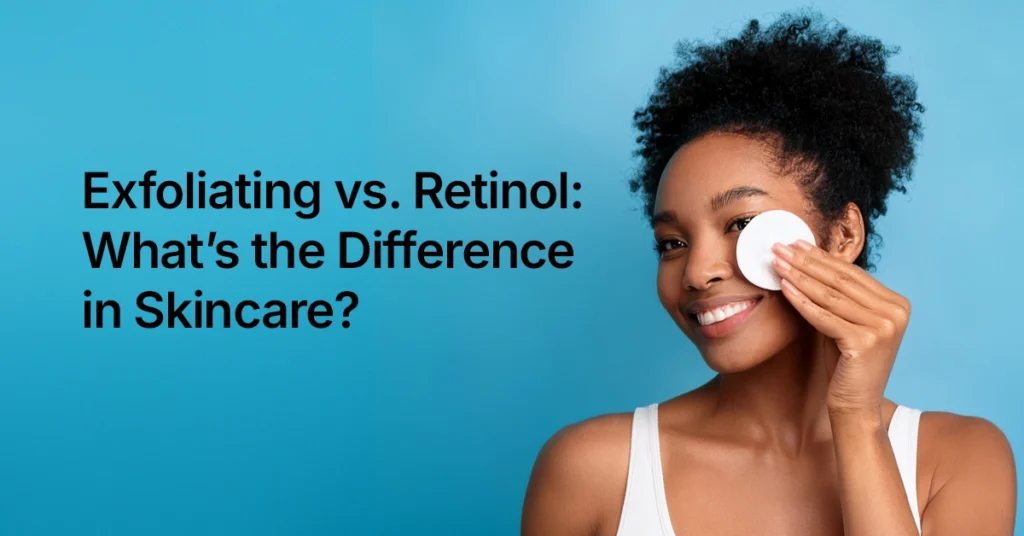
When it comes to achieving smoother, brighter, and younger-looking skin, two powerful skincare approaches often come up: exfoliation and retinol. While they can both improve skin texture, fade dullness, and fight signs of aging, they work in very different ways. Understanding the difference between exfoliating and retinol is key to building a safe and effective routine.
What Is Exfoliation?
Exfoliation is the process of removing dead skin cells from the surface of your skin to reveal a smoother, fresher complexion. It can be done in two main ways:
Physical Exfoliation: Uses scrubs, brushes, or tools to manually slough off dead skin.
Chemical Exfoliation: Uses acids like AHA (glycolic, lactic), BHA (salicylic), or PHA to gently dissolve the bonds that hold dead skin cells together.
✅ Benefits of Exfoliation
Instantly smoother skin
Brighter complexion
Helps unclog pores (especially with BHA)
Preps skin to absorb serums and moisturizers better
⚠️ Things to Keep in Mind
Over-exfoliating can cause irritation, redness, and sensitivity.
Beginners should start with 1–2 times per week using gentle formulas.
Korean Exfoliating Product Recommendations
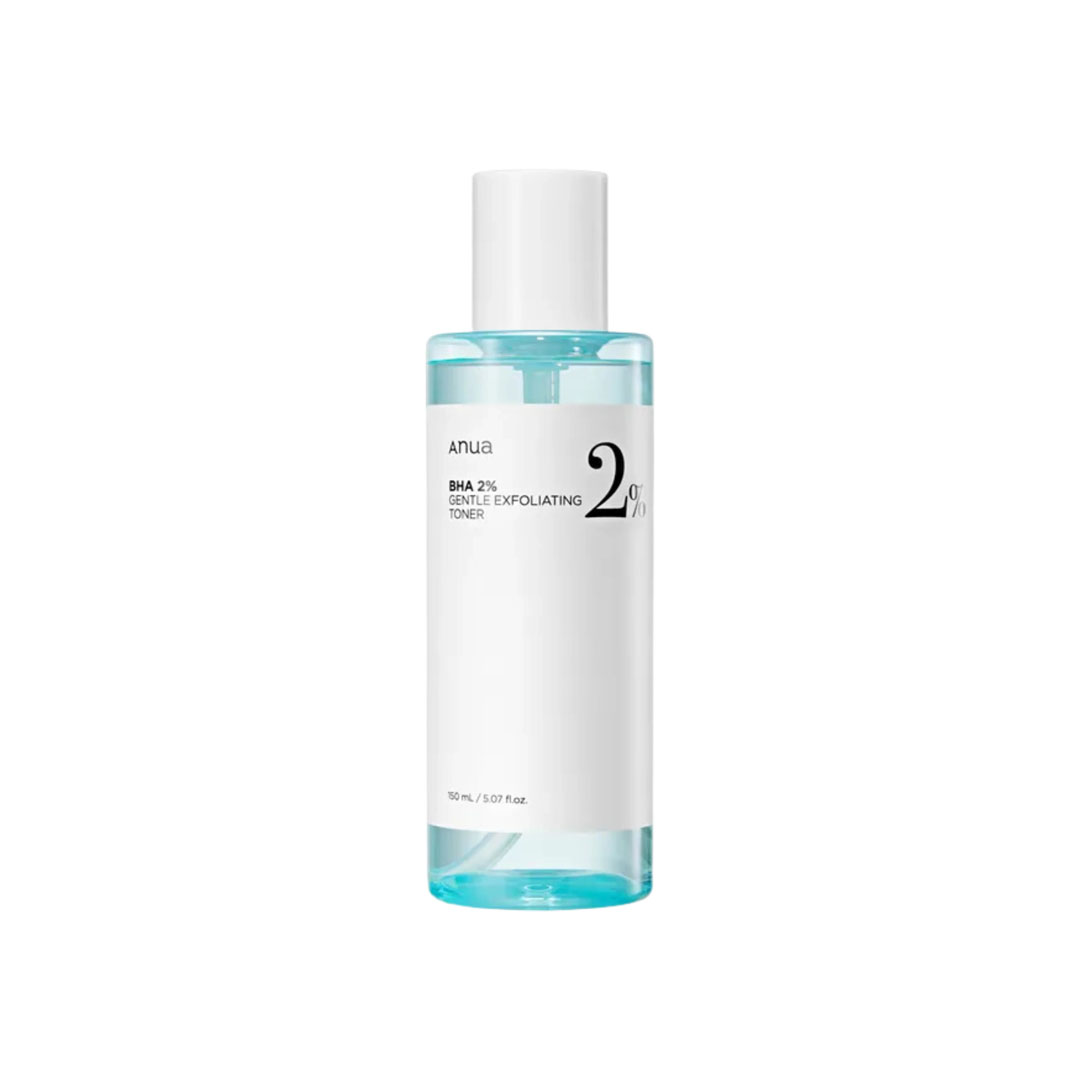
ANUA BHA 2% Gentle Exfoliating Toner – A mild exfoliating toner with 2% BHA to help unclog pores, smooth skin texture, and refine excess oil without irritation.
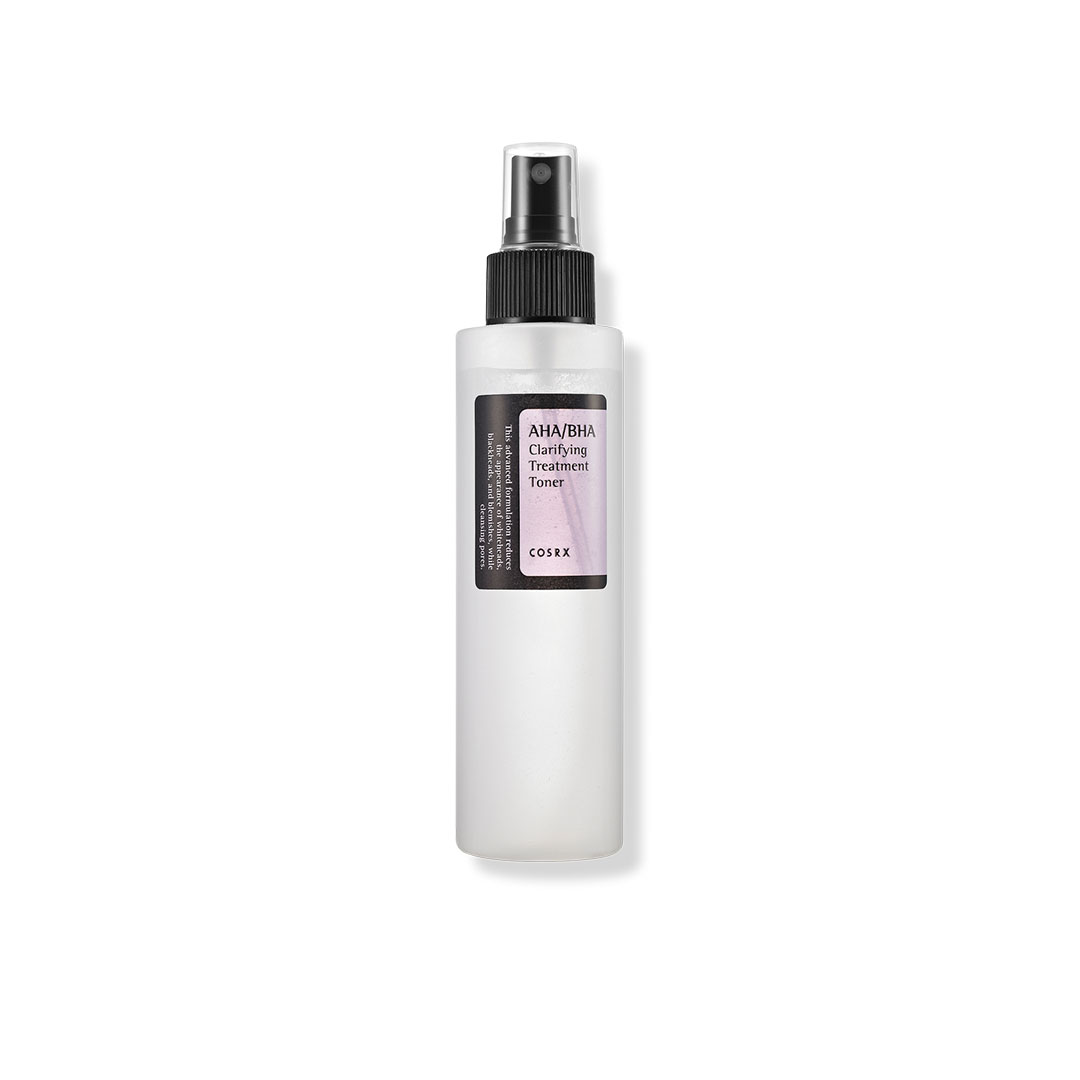
COSRX AHA/BHA Clarifying Treatment Toner – A lightweight toner mist with natural AHA and BHA to keep pores clear and gently brighten dull skin.
🧴 How to Use Exfoliating Products Safely
Exfoliation reveals smoother, brighter skin, but overdoing it can damage your barrier. Here’s how to do it right:
Pick the Right Type – AHA for dull/dry skin, BHA for oily/acne-prone, PHA for sensitive.
Start Slow – Use 1–2 times per week, then increase to 2–3 as tolerated.
Apply After Cleansing – Use your exfoliant, then follow with hydrating serum and moisturizer.
Don’t Mix With Strong Actives – Avoid using retinol or vitamin C on the same night.
Wear Sunscreen Daily – Exfoliation increases sun sensitivity.
Watch for Irritation – Redness, peeling, or stinging means scale back.
✨ Pro tip: Always balance exfoliation with hydration to keep your glow healthy, not harsh.
What Is Retinol?
Retinol is a form of vitamin A derivative and belongs to the family of retinoids, which are well-researched skincare actives for anti-aging. Unlike exfoliants, retinol doesn’t just work on the surface—it penetrates deeper into the skin to influence cell turnover and collagen production.
✅ Benefits of Retinol
Boosts cell turnover for smoother texture
Reduces fine lines and wrinkles
Improves skin firmness and elasticity
Helps fade hyperpigmentation and acne scars
Effective for acne treatment
⚠️ Things to Keep in Mind
Retinol can cause dryness, flaking, and irritation when first introduced.
Best used at night, always followed by moisturizer.
Daily SPF is a must, as retinol can make skin more sun-sensitive.
Start slow (2–3 nights per week) and build tolerance.
Korean Retinol/Retinal Product Recommendations
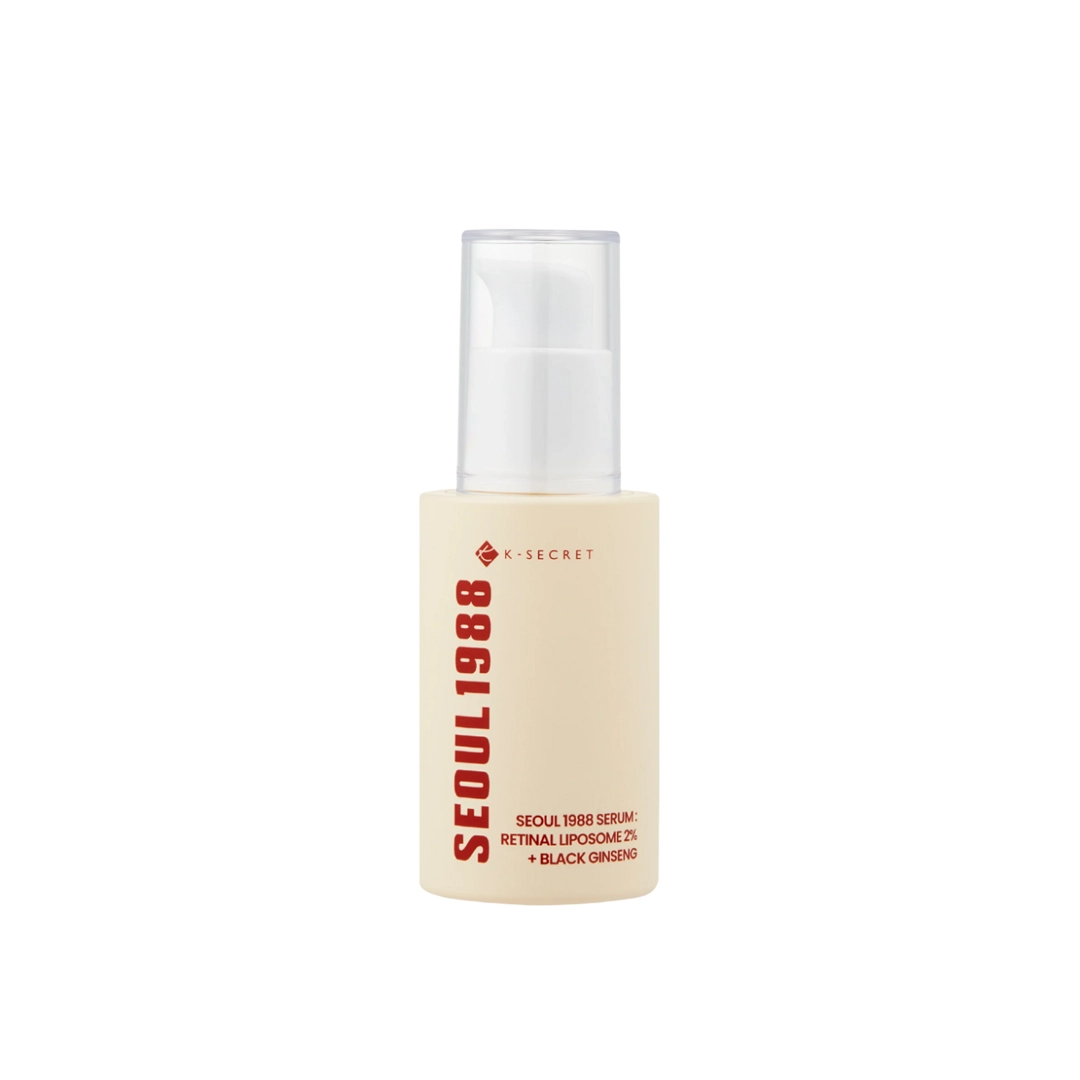
K-SECRET SEOUL 1988 Serum: Retinal Liposome 2% + Black Ginseng – A potent serum that combines retinal with antioxidant-rich black ginseng to target wrinkles, firmness, and overall skin vitality.
Beauty of Joseon Revive Eye Serum: Ginseng + Retinal – A gentle yet effective eye serum with retinal and ginseng to smooth fine lines, brighten under-eyes, and strengthen delicate skin.

🧴 How to Gradually Start Using Retinol
If you’re new to retinol, the key is to start low, go slow, and stay consistent. Retinol and retinal are powerful actives, so your skin needs time to build tolerance.
Step-by-Step Guide:
Patch Test First – Apply a small amount on your inner arm or behind your ear for a few nights to check for irritation.
Start Slow (1–2 nights per week) – Apply a pea-sized amount to your entire face after cleansing and toning. Follow with a moisturizer.
Use the “Sandwich Method” if Sensitive – Apply moisturizer, then retinol, then another layer of moisturizer to buffer potential irritation.
Gradually Increase Frequency – After 2–4 weeks, move up to every other night, and eventually nightly use if your skin tolerates it.
Always Use Sunscreen Daily – Retinol increases sun sensitivity, so SPF 30+ is non-negotiable.
Exfoliation vs. Retinol: Key Differences
| Feature | Exfoliation | Retinol |
|---|---|---|
| How it works | Removes dead skin cells (surface-level) | Increases cell turnover and collagen (deep-level) |
| Best for | Dullness, clogged pores, rough texture | Fine lines, wrinkles, pigmentation, acne |
| Speed of results | Immediate smoothness/brightness | Gradual improvements over weeks to months |
| Frequency | 1–3x per week depending on skin | 2–3x per week to nightly (with tolerance) |
| Caution | Overuse = irritation, barrier damage | Purging, dryness, sun sensitivity |
💡 Can You Use Retinol and Exfoliation Together?
Yes—but with caution. Both exfoliants and retinol increase skin cell turnover, so combining them too quickly can lead to redness, irritation, and barrier damage.
Tips for Safe Use:
Don’t use them on the same night (alternate instead).
Pair both with a gentle cleanser, hydrating toner, and soothing moisturizer.
Always apply sunscreen in the morning.
Conclusion
Exfoliation and retinol both help refine and renew the skin, but they work in different ways and at different depths. Exfoliation offers instant smoothness and glow, while retinol is a long-term solution for anti-aging, acne, and skin renewal.
For beginners, start with gentle exfoliation once or twice a week. Once your skin adjusts, you can introduce retinol gradually for powerful anti-aging and repair benefits. Used wisely, both can be part of a healthy, radiant skincare routine.
Best Korean Sunscreens Available in Canada: 2026 Buyer’s Guide
Korean sunscreens are in a league of their own — lightweight, non-greasy, and highly protective. [...]
10 Best Korean Skincare Brands You Can Buy in Canada Right Now
From COSRX to Beauty of Joseon, here are the 10 best Korean skincare brands available [...]
Best Korean Skincare for Acne-Prone Skin in Canada (Dermatologist-Loved Brands)
Struggling with acne? Korean skincare has some of the most effective, gentle solutions for acne-prone [...]
Korean Glass Skin: What It Is and How to Achieve It in Canada
Glass skin is the ultimate K-beauty goal — skin so clear, smooth, and luminous it [...]
The Complete Korean Skincare Routine for Canadian Winters (Step-by-Step Guide)
Struggling with dry, tight, irritated skin every Canadian winter? Discover the complete Korean skincare routine [...]
Glass Skin Regimen: Your Complete Guide to Achieving Flawless Korean Glass Skin
Glass Skin Regimen: Your Complete Guide to Achieving Flawless Korean Glass Skin The glass skin [...]
Korean Shop in Canada 100% Authentic: Your Complete Guide to Genuine K-Beauty Products
Finding a Korean shop in Canada that guarantees 100% authentic products can feel overwhelming with [...]
What Is The 10 Step Korean Skincare Routine?
The 10 Step Korean Skincare Routine: Complete Guide to Radiant Skin (2026) The 10 step [...]