
Tips
What is the Difference Between Korean Skincare and American Skincare?

Skincare routines have evolved significantly over the past few decades, and two major influences in the beauty industry are Korean skincare and American skincare. Each system has its own philosophy, approach to skin health, and unique product offerings, creating distinct skincare cultures. Understanding the key differences between these two approaches can help you tailor a routine that fits your personal skincare needs and goals.
1. Philosophy: Prevention vs. Treatment
One of the fundamental differences between Korean and American skincare lies in their approach to skin health. Korean skincare emphasizes prevention and maintenance, with routines that focus on long-term skin health. The aim is to maintain hydrated, glowing skin while preventing problems before they arise. As a result, Korean products often include gentle ingredients designed to nourish and strengthen the skin’s barrier.
American skincare, on the other hand, tends to focus more on treatment and immediate results. Products are often targeted at specific issues such as acne, pigmentation, or wrinkles, with active ingredients like retinoids, glycolic acid, and benzoyl peroxide. These powerful ingredients work to correct issues rather than prevent them, often with stronger formulations that may deliver quicker results but can sometimes cause irritation if not used carefully.
2. Step-by-Step Approach: Layering vs. Minimalism
Korean skincare is known for its multi-step routine, often consisting of 7 to 10 steps or more. These steps include double cleansing, toning, essences, serums, and moisturizers, all of which are layered to provide deep hydration and nourishment. The idea is to treat the skin gently and gradually, with lightweight products that focus on hydration and balance.
In contrast, American skincare tends to favor a more minimalist approach. Many people opt for simpler routines, consisting of just a few steps: cleanse, tone, and moisturize. With the rise of “skinimalism,” there’s a growing trend toward simplifying routines and focusing on potent, multi-functional products that tackle multiple concerns in one step, such as moisturizers that also contain SPF or serums that combine various active ingredients.
3. Ingredients: Innovative vs. Potent Actives
Korean skincare is famous for its use of natural, innovative ingredients that focus on hydration and soothing the skin. Ingredients like snail mucin, centella asiatica, and fermented extracts are often found in Korean products, offering healing, calming, and hydrating benefits. Korean formulations are usually gentle, designed to suit all skin types, including sensitive skin.
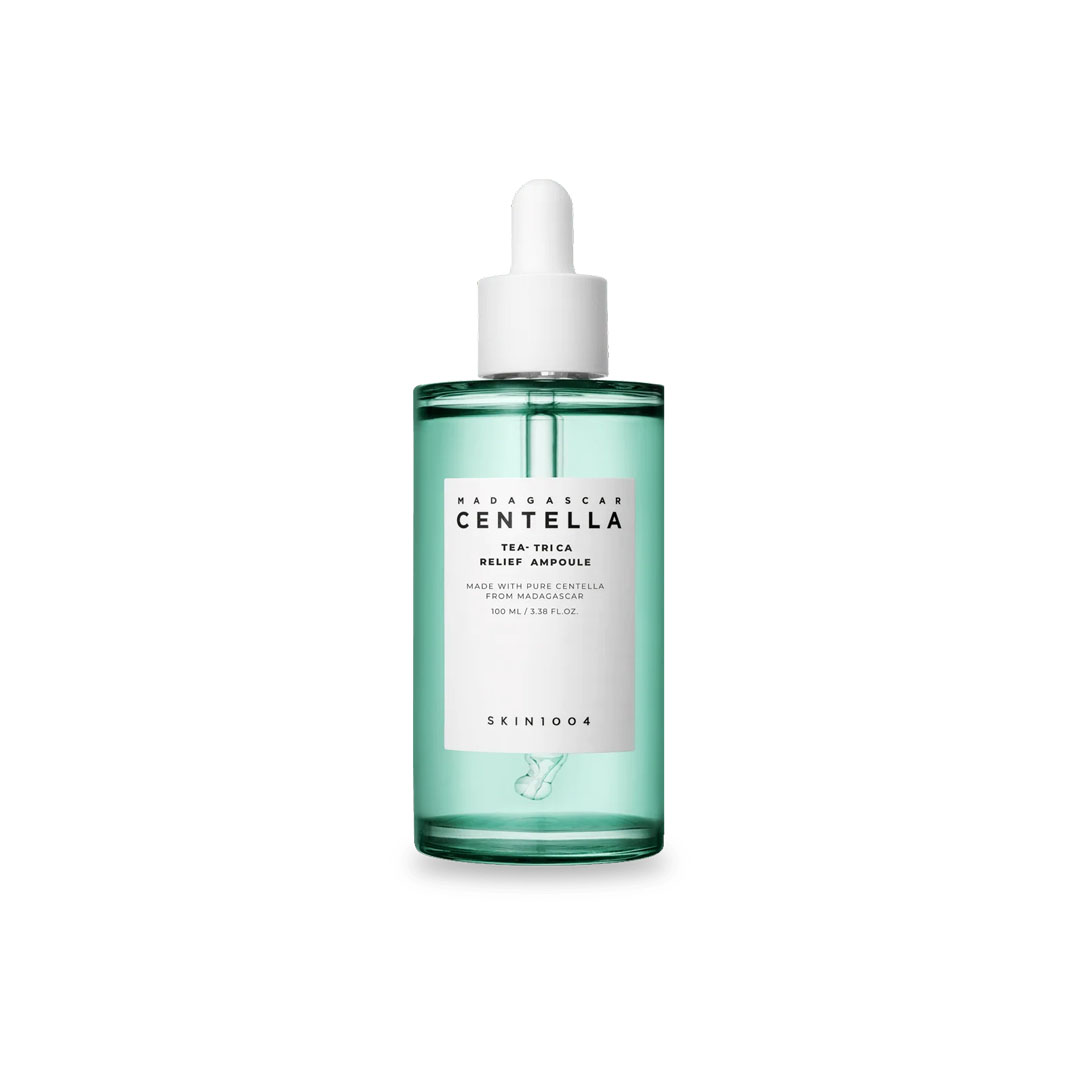
Example: SKIN1004 Madagascar Centella Tea-Trica Relief Ampoule: A lightweight, soothing serum formulated with centella asiatica and tea tree extract to calm irritation, reduce redness, and support skin recovery.
American skincare typically includes potent active ingredients that target specific concerns. Ingredients like retinoids, salicylic acid, vitamin C, and alpha hydroxy acids (AHAs) are often used in American formulations for their ability to deliver fast, visible results. These actives are highly effective at treating conditions like acne, wrinkles, and pigmentation, but they may also require a more cautious approach due to their strength.
4. Product Innovation: Texture and Aesthetics vs. Efficacy
Korean skincare places significant emphasis on the experience of using the product. Formulations often have lightweight textures and aesthetically pleasing packaging. Korean brands frequently innovate with new types of products, such as cushion foundations, hydrogel masks, and watery essences, which offer a luxurious, sensorial experience that makes skincare feel enjoyable rather than a chore.
Example: Beauty Of Joseon Red Bean Water Gel: A lightweight, oil-free moisturizer infused with red bean extract and peptides to provide hydration while controlling excess sebum, making it ideal for oily and combination skin.

American skincare, while also concerned with user experience, tends to prioritize efficacy above all. The packaging and textures may be more straightforward, with a focus on delivering the active ingredients to the skin in the most effective way. American consumers often seek “clinical” formulations, which are designed to deliver results quickly and efficiently.
5. SPF: Daily Protection vs. Outdoor Use
In Korean skincare, sunscreen is considered a non-negotiable daily necessity. The emphasis on sun protection as part of a daily routine is one of the reasons Korean sunscreens are formulated to be lightweight, non-greasy, and easy to reapply throughout the day. Korean consumers generally prefer sunscreens that enhance the skin’s appearance, such as those with hydrating or brightening benefits.
Example: Dr.G Green Mild Up Sun+ SPF 50+ PA++++: A gentle, mineral-based sunscreen with SPF50+ that provides broad-spectrum UV protection while soothing and protecting sensitive skin with ingredients like centella asiatica and madecassoside.

In American skincare, sunscreen use tends to be more situational, often applied during outdoor activities rather than as a daily essential. American sunscreens can sometimes feel heavier and may focus more on high SPF values rather than overall wearability. However, there’s an increasing trend toward daily sunscreen use, with more lightweight options entering the market.
6. Cultural Influence: Skincare as Self-Care vs. Efficiency
Korean skincare is deeply ingrained in the culture as a form of self-care and wellness. Taking time for a multi-step routine is seen as a way to relax and take care of both your skin and your mental well-being. Skincare is treated as a ritual, often passed down through generations, with an emphasis on achieving long-term results through patience and consistency.
In American culture, skincare is often more goal-oriented, with a focus on efficiency and convenience. Consumers want products that work quickly and fit into a busy lifestyle. As such, American skincare brands often promote simplicity and multitasking products that can save time without sacrificing efficacy.
Conclusion
Both Korean and American skincare approaches have their strengths and cater to different preferences and skin goals. Korean skincare is ideal for those who value gentle, preventative care and enjoy a multi-step, indulgent routine. American skincare, on the other hand, suits individuals looking for powerful, result-driven products that target specific skin concerns with minimal steps.
Ultimately, the best routine for you may be a blend of both worlds, combining the gentleness and innovation of Korean skincare with the effectiveness and targeted action of American formulations. The key is to understand your skin’s unique needs and choose products that align with your goals, whether they lean toward hydration, prevention, or intensive treatment.
Best Korean Sunscreens Available in Canada: 2026 Buyer’s Guide
Korean sunscreens are in a league of their own — lightweight, non-greasy, and highly protective. [...]
10 Best Korean Skincare Brands You Can Buy in Canada Right Now
From COSRX to Beauty of Joseon, here are the 10 best Korean skincare brands available [...]
Best Korean Skincare for Acne-Prone Skin in Canada (Dermatologist-Loved Brands)
Struggling with acne? Korean skincare has some of the most effective, gentle solutions for acne-prone [...]
Korean Glass Skin: What It Is and How to Achieve It in Canada
Glass skin is the ultimate K-beauty goal — skin so clear, smooth, and luminous it [...]
The Complete Korean Skincare Routine for Canadian Winters (Step-by-Step Guide)
Struggling with dry, tight, irritated skin every Canadian winter? Discover the complete Korean skincare routine [...]
Glass Skin Regimen: Your Complete Guide to Achieving Flawless Korean Glass Skin
Glass Skin Regimen: Your Complete Guide to Achieving Flawless Korean Glass Skin The glass skin [...]
Korean Shop in Canada 100% Authentic: Your Complete Guide to Genuine K-Beauty Products
Finding a Korean shop in Canada that guarantees 100% authentic products can feel overwhelming with [...]
What Is The 10 Step Korean Skincare Routine?
The 10 Step Korean Skincare Routine: Complete Guide to Radiant Skin (2026) The 10 step [...]